
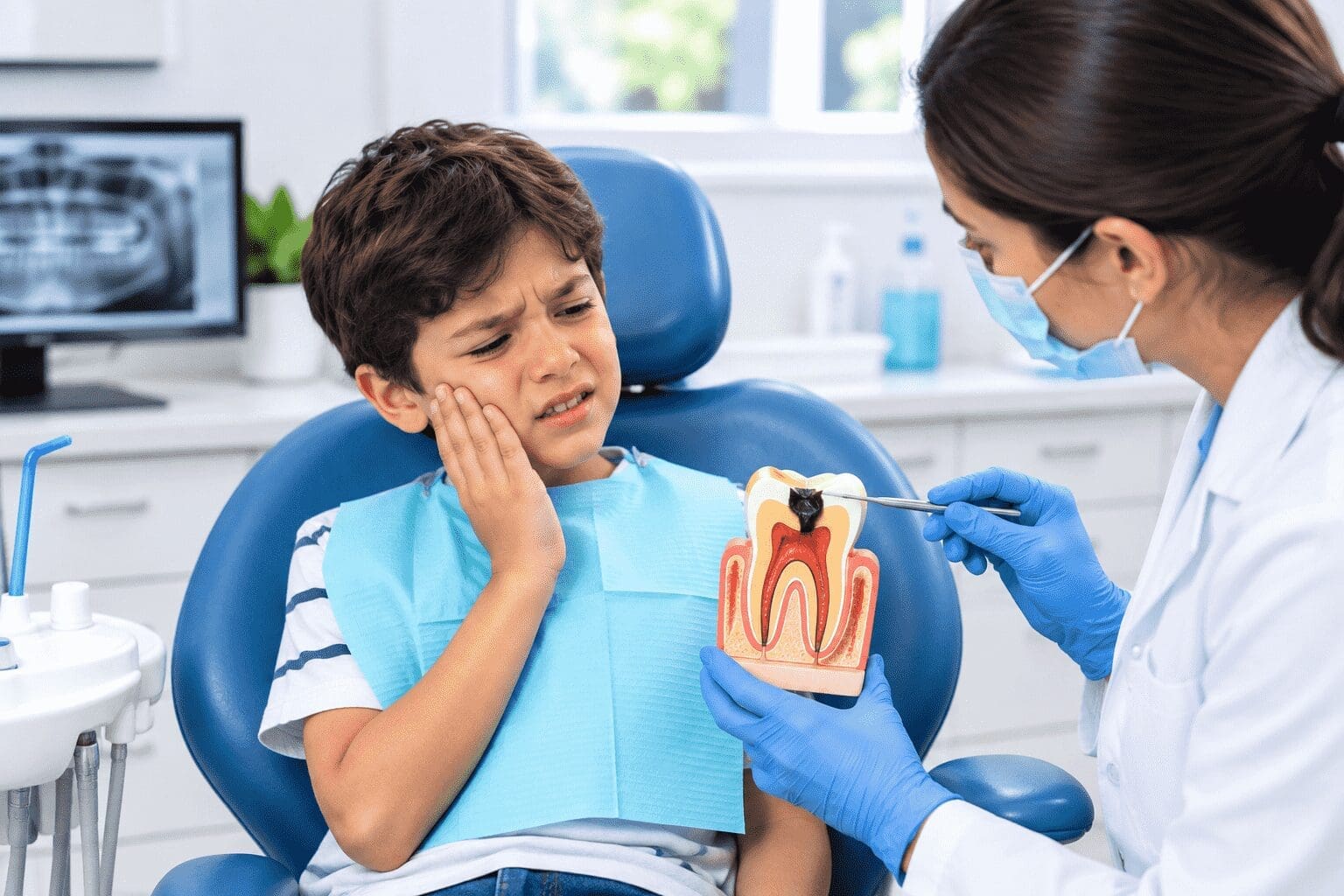
Tooth pain can range from a mild sensitivity to intense, persistent discomfort that makes eating, sleeping, or concentrating difficult. It may develop suddenly or gradually and can affect people of all ages. While occasional sensitivity may have a simple explanation, ongoing or severe discomfort can sometimes indicate an underlying dental problem that needs professional attention.
Understanding the possible causes of tooth pain can help you recognise when a dental examination may be appropriate. The discomfort may originate from the tooth itself, the surrounding gums, or nearby structures. A dentist can assess your symptoms, examine your mouth, and use dental X-rays when necessary to determine the likely cause.
1. Tooth Decay and Cavities
Tooth decay is one of the most common reasons people experience dental discomfort. It occurs when bacteria in dental plaque produce acids that gradually weaken the tooth’s enamel. If decay progresses beyond the enamel and reaches the dentine, the tooth may become sensitive to hot, cold, sweet, or acidic foods and drinks.
As a cavity becomes deeper, discomfort may become more noticeable and persistent. When decay reaches the pulp, where the tooth’s nerves and blood vessels are located, it can cause significant pain and may require more extensive treatment.
Regular dental examinations can help identify cavities before they progress. Treating decay early may allow the dentist to restore the tooth with a filling rather than requiring more complex treatment.
2. Dental Abscess or Infection
A dental abscess is a collection of pus caused by a bacterial infection. It can develop around the root of a tooth or within the gum tissue. An infected tooth may cause severe, throbbing discomfort, sensitivity when biting, swelling, or tenderness around the affected area.
Some people may also experience a bad taste in the mouth, fever, or swelling of the face or jaw. These symptoms should not be ignored because dental infections can potentially spread to surrounding tissues.
Treatment depends on the source and severity of the infection. A dentist may recommend procedures such as root canal treatment, drainage of an abscess, or tooth removal when the tooth cannot be saved.
3. Cracked or Damaged Teeth
A crack in a tooth can cause unpredictable discomfort, particularly when chewing. Some people notice a sharp sensation when biting down or releasing their bite. Others may experience sensitivity to temperature.
Cracks can result from accidents, biting hard objects, teeth grinding, or normal wear over time. A small crack may not always be visible without a dental examination.
The appropriate treatment depends on the location and extent of the damage. Early assessment is important because a crack can sometimes worsen if it remains untreated.
4. Tooth Sensitivity
Tooth sensitivity occurs when the protective enamel becomes thinner or when the gum recedes and exposes the underlying dentine. This can make teeth more responsive to cold drinks, hot foods, sweets, or even cold air.
Aggressive brushing, gum recession, acidic foods, tooth grinding, and certain dental procedures can contribute to sensitivity. Although occasional sensitivity may not indicate serious damage, persistent symptoms should be assessed by a dentist.
A dental professional can determine whether the sensitivity is caused by enamel wear, gum recession, decay, a cracked tooth, or another condition.
5. Gum Disease
Gum disease affects the tissues surrounding and supporting the teeth. Early gum disease, known as gingivitis, can cause redness, swelling, and bleeding during brushing. If it progresses to periodontitis, the infection can damage the tissues and bone supporting the teeth.
Advanced gum disease may lead to tenderness, gum recession, loose teeth, and discomfort when chewing. Because gum disease can progress with relatively few noticeable symptoms in its early stages, regular dental check-ups are important.
Maintaining good oral hygiene, including brushing twice daily and cleaning between the teeth, can help reduce plaque accumulation and support healthy gums.
6. Teeth Grinding and Jaw Clenching
Grinding or clenching the teeth, particularly during sleep, can place excessive pressure on the teeth and jaw muscles. Over time, this may contribute to worn enamel, cracks, sensitivity, headaches, or discomfort around the jaw.
People who grind their teeth may not realise they are doing it. Signs can include flattened or worn tooth surfaces, morning jaw soreness, or unexplained sensitivity.
A dentist can examine the teeth for signs of excessive wear and discuss suitable management options. In some cases, a custom-made night guard may help protect the teeth from further damage.
7. Impacted or Problematic Wisdom Teeth
Wisdom teeth are the final set of molars to develop. When there is insufficient space for them to erupt normally, they may become impacted or partially trapped beneath the gum.
An impacted wisdom tooth can cause pain, swelling, difficulty opening the mouth, or inflammation around the surrounding gum. Food and bacteria can also become trapped around a partially erupted tooth, increasing the risk of infection.
Not every wisdom tooth needs to be removed. A dentist can assess its position, surrounding tissues, and potential effect on neighbouring teeth before recommending treatment.
8. Sinus Problems
The upper teeth are located relatively close to the sinus cavities. When the sinuses become inflamed or congested, pressure can sometimes be felt in the upper back teeth.
Sinus-related discomfort may affect several upper teeth at the same time rather than being isolated to one tooth. It may also occur alongside nasal congestion, facial pressure, or a recent cold or sinus infection.
Because dental and sinus symptoms can overlap, a professional assessment may be needed when the source of the discomfort is unclear.
9. Loose or Damaged Dental Fillings
Dental fillings restore teeth affected by decay or damage. Over time, a filling may become worn, cracked, loose, or damaged. This can allow the underlying tooth to become sensitive or exposed.
Discomfort may be particularly noticeable when eating, drinking, or biting. A dentist can examine the restoration and determine whether it can be repaired or needs to be replaced.
Maintaining regular dental appointments allows existing restorations to be monitored and potential problems to be identified before they become more complicated.
10. Recent Dental Treatment
Temporary sensitivity can sometimes occur after dental treatment. Procedures such as fillings, crowns, root canal treatment, or professional teeth whitening may cause short-term changes in how a tooth responds to temperature or pressure.
The expected duration and severity of sensitivity depend on the procedure and the individual tooth. However, symptoms that become increasingly severe, persist longer than expected, or are accompanied by swelling should be discussed with a dentist.
Following post-treatment instructions and attending recommended follow-up appointments can help ensure the treated tooth is healing appropriately.
Tooth Pain: When Should You See a Dentist?
Not every uncomfortable sensation requires emergency dental care, but persistent or worsening symptoms deserve attention. A dental examination is particularly important when discomfort continues for more than a short period, repeatedly returns, or interferes with normal activities.
You should seek prompt professional care if you experience facial or gum swelling, fever, difficulty swallowing, difficulty breathing, significant bleeding, or severe discomfort. These symptoms may indicate an infection or another condition requiring timely treatment.
It is also important not to rely solely on home remedies for toothache when the underlying cause has not been identified. Temporary measures may reduce discomfort but generally do not address problems such as decay, infection, cracks, or advanced gum disease.
How Is the Cause Diagnosed?
A dentist usually begins by discussing your symptoms, including when they started, what triggers them, and whether they are constant or intermittent. The teeth, gums, bite, jaw, and surrounding tissues may then be examined.
Dental X-rays or other diagnostic imaging may be recommended when the source cannot be identified through a visual examination alone. This can help the dentist assess areas beneath the gum line, between teeth, and around tooth roots.
Accurate diagnosis matters because similar symptoms can have very different causes. For example, sensitivity to cold could result from enamel wear, decay, gum recession, or a damaged restoration. Treating the correct underlying problem is therefore more useful than simply managing the symptom.
What Can You Do Until Your Appointment?
While waiting for a dental appointment, maintaining gentle oral hygiene is important. Continue brushing carefully with a soft-bristled toothbrush and clean between the teeth without irritating the affected area.
Avoid extremely hot, cold, sweet, or hard foods if they trigger discomfort. Choosing softer foods and chewing on the opposite side may also make eating more comfortable temporarily.
Over-the-counter pain medication may be appropriate for some adults when taken according to the product instructions and personal medical advice. However, medication should not be placed directly against the tooth or gum because it may irritate the tissues.
The most suitable dental ache treatment ultimately depends on the underlying cause, which is why professional assessment is important when symptoms persist.
Can Tooth Pain Be Prevented?
Many causes can be reduced through consistent preventive dental care. Brush twice a day using fluoride toothpaste, clean between your teeth regularly, limit frequent consumption of sugary foods and drinks, and attend routine dental examinations.
Protecting the teeth from unnecessary stress can also help. Avoid chewing ice or very hard objects, and discuss teeth grinding with your dentist if you notice signs of clenching or enamel wear.
Preventive care is particularly valuable because some dental conditions can develop before obvious symptoms appear. Early detection often provides more treatment options and may help prevent minor problems from becoming more complex.
Final Thoughts
There is no single cure for toothache because discomfort can result from decay, infection, cracks, sensitivity, gum disease, grinding, wisdom teeth, sinus pressure, damaged restorations, or recent dental treatment. Identifying the underlying cause is the key to effective care. If tooth pain persists, becomes severe, or is accompanied by swelling or fever, arranging a dental examination can help determine the appropriate next step.