
Preventive Dentistry Campbelltown


Achieve Better Oral Health with Preventative Dentistry Campbelltown
Your smile deserves more than treatment when a problem appears. With professional preventative dentistry in Campbelltown, you can stay ahead of common dental issues and maintain healthier teeth and gums for longer. Regular check-ups and professional cleaning allow our dental team to detect potential concerns early and provide the right care before they develop into more serious problems.
Our dental check up and clean Campbelltown service is designed to make maintaining your oral health simple, comfortable and effective. Whether it has been months since your last visit or you simply want to stay on top of your dental health, our team is here to help.
Why Choose Preventative Dental Care?
-
Early detection: Identify cavities, gum disease and other dental concerns before they become more serious.
-
Professional cleaning: Remove plaque and tartar that regular brushing and flossing may not fully eliminate.
-
Healthier gums: Regular dental care can help reduce the risk of gum inflammation and periodontal problems.
-
Fresh, confident smile: Professional cleaning helps keep your teeth looking and feeling cleaner.
-
Personalised advice: Receive practical guidance on brushing, flossing and maintaining better oral hygiene at home.
-
Prevent dental emergencies: Routine care can help reduce the likelihood of unexpected dental pain and urgent treatment.
How Does Preventative Dentistry Work?
Preventative dentistry focuses on protecting your teeth and gums before problems develop. At our Campbelltown dental clinic, we assess your oral health, identify potential risks, and create a personalised care plan based on your needs. This may include regular dental check up and clean Campbelltown appointments, professional teeth cleaning, fluoride treatments, dental sealants, and guidance on brushing and flossing techniques. Our dentists can also recommend suitable oral hygiene products, dietary changes, or a mouth guard when appropriate.

These ‘home care’ skills, in combination with regular dental visits are imperative to preventing the start and progression of dental decay.
Hygiene
Teeth must be brushed at least TWICE daily, preferably by an adult for children under 7 years old. The most important time is just before bed, when many children (and parents) are tired and more likely to miss this step.
Diet
Minimise sugary foods. The most common and damaging foods are soft drinks, juices (any type), cordials, and lollies. Minimise snacks or sweet drinks between meals. The more frequently we eat/drink, the more often the teeth are exposed to damage. For children, the last drink of the night must be water (not even a bottle of milk).
Dentist
We are here to identify any developing damage, to suggest methods of prevention, and to initiate preventative techniques such as fissure sealants and fluoride treatments. We are here to help, not to criticise.
X-Rays: An important Aid to a Diagnosis
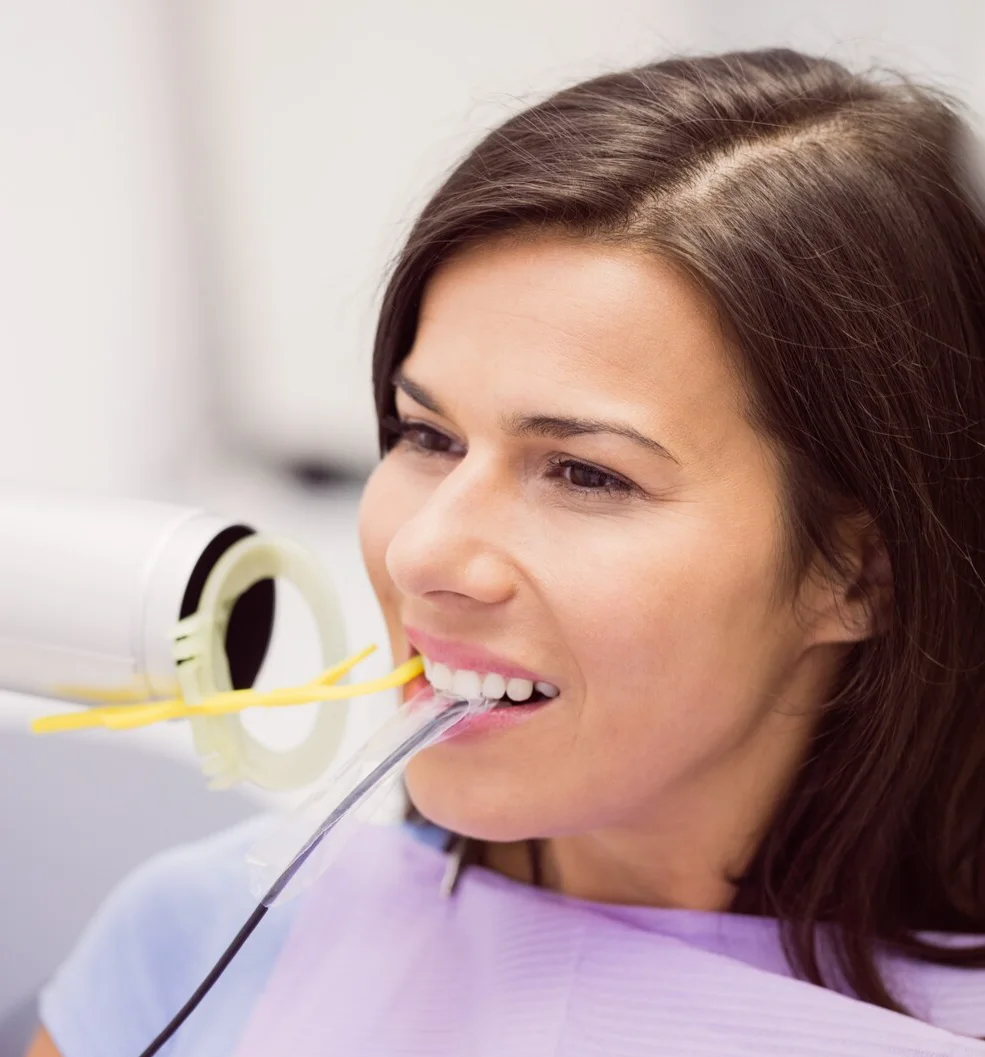
Although each person’s needs are different, it is usually advised that X-rays can start as young as 3 years old and should be taken throughout adulthood, and continue for the rest of your life (while you still have natural teeth). Dental X-rays are an essential part of good dental care. Our dentists recommend standard x-rays at least every 2 years, at a minimum. X-rays help the dentist to look for problems within the teeth and supporting bone.
At Family Dental Care we only use digital x-rays which allow us to process them almost instantly, bypassing chemical processing, and are stored on our secure computer system. Less radiation is used than traditional X-rays and the dentist can easily share with you what they see. Digital x-rays also allows us to enhance your images and even print them for you to take home. This is particularly great for little ones to take to school for ‘news’! This modern technology makes it easy for us to show you exactly what is happening with your teeth and gums – without leaving your chair.
Oral Hygiene Education
This is provided by our dentists to help ensure you have an effective brushing technique. We use puppets for little children and an anatomic tooth model for adults to encourage good communication between dentist and patient. The dentist will also show you the tricky techniques for flossing and the best types of tooth brushes to use.
Professional Teeth Cleaning
When we eat, the bacteria in our mouth produce a sticky substance called plaque. If left on teeth, plaque can turn into calculus (often called tartar) causing inflammation and bleeding of the gums. If left on teeth, calculus levels increase, it spreads down below the gum line, destroys bone, and eventually leads to the loss of your teeth.
A regular professional clean can remove all calculus deposits off your teeth. Cleaning also includes a polish to remove superficial stains. This is called having a scale and clean. The dentist will then provide you with oral health education so you know how to brush & floss effectively at home, to help prevent its return.
Oral Cancer/Mucosa Check
Oral cancers can affect any part of the mouth, but is most commonly found in the tongue, floor of the mouth, lips and cheeks. At every check-up, our dentists examine all parts of the mouth for signs of oral cancer and pre-cancer lesions. They will discuss any findings (or the all clear) with you, provide education, answer questions and, if needed, will refer you to the appropriate specialist. Early detection gives the best outcomes. If you have any of the following symptoms, please arrange an appointment with one of our friendly dentists:
Preventatives include:

Fluroide
Fluoride is a naturally occurring compound found in plants, rocks and at very low levels in almost all fresh water. It is used in many products related to oral health such as toothpastes and is also added to drinking water. Water fluoridation is the adjustment of fluoride in drinking water to a level that helps protect teeth against tooth decay.Fluoride Varnish treatments are available at our practice and is recommended for children and for adults that are at high risk of tooth decay. Fluoride Varnish is painted on the teeth and when set, it hardens, strengthening the teeth for a much longer time than the older types of gel products. It is clear and comes in various flavours and is our most requested preventative treatment.NeutraFluor 5000 Plus is a toothpaste recommended for individuals at high risk of tooth decay and is available only at the dentist for children over the age of 10 years and adults. This can be purchased at our surgery and is used daily in place of regular toothpaste or as directed by our dentists.
GC Tooth Mousee Plus
GC Tooth Mousse Plus is a crème that delivers a powerful combination of two proven tooth protection and strengthening technologies. It also provides acid resistants and desensitises sensitive teeth. It is not a toothpaste. You place a very small amount on your finger and place it on your teeth, then swished around your mouth by your tongue. It can also reverse early tooth decay by re-mineralising the enamel. This product is available for purchase at our surgery.

Fissure Sealants
Fissure sealants are highly recommended for anyone (particularly children) that has deep grooves in their teeth. The tooth brush cannot clean in deep grooves and it is here that decay often starts. Fissure sealing is quick to apply, painless and prevents decay. The tooth is washed and dried, the sealant is applied in the grooves and set hard with a light.

Mouthguards
Custom Mouthguards provide invaluable protection to anyone playing a contact or collision sport. Our dentists can provide you with an Australian made, custom mouthguard to suit your needs. They are made from flexible laminates that are moulded to perfectly fit your teeth.Mouthguards come in a wide variety of colours and pattern combinations. The guard can even be designed with your name and contact phone number on it.
You should consider booking a dental check-up if:
- You haven’t visited a dentist in the last six months.
- You have noticed bleeding, swollen or tender gums.
- Your teeth feel sensitive to hot, cold or sweet foods.
- You have persistent bad breath.
- You have visible plaque or tartar around your teeth.
- You notice a dark spot, hole or rough area on a tooth.
- You have pain or sensitivity around the gum line.
- You have children with deep grooves or fissures in their teeth.
- You regularly consume sugary foods or drinks.
When Should You Book a Preventative Dental Check-Up?
Don't Wait Until Your Tooth Starts Hurting
Many dental problems develop quietly. You may have tooth decay, early gum disease, worn enamel or plaque build-up without feeling any pain.
By the time a tooth becomes painful, the problem may already require more involved treatment.
Not Sure If You Need a Check-Up?
Dental Check-Up & Clean Campbelltown
Don't Wait Until Your Tooth Starts Hurting
Plaque can build up around and between your teeth. If it is not removed effectively, it can harden into tartar and contribute to gum inflammation and other oral health problems.
During a preventative visit, our dental team can assess your oral health and, where appropriate, provide a professional scale and clean to remove hardened deposits and surface stains.
Your appointment may include:
- Examination of your teeth for decay, cracks, wear and erosion.
- Assessment of your gums for signs of gingivitis or gum disease.
- Professional removal of plaque and tartar.
- Polishing to help remove superficial stains.
- Digital X-rays when clinically appropriate.
- Oral hygiene guidance tailored to your needs.
- Recommendations to help prevent future dental problems.
What Can Preventative Dentistry Help Prevent?
Small Problems Are Easier to Manage When They're Found Early
Preventative dentistry focuses on reducing your risk of developing common dental problems rather than waiting until treatment becomes necessary.
Regular preventive care can help your dentist identify and manage concerns such as:
Tooth Decay
Early decay may not cause obvious symptoms. Regular examinations can help identify changes before they develop into a larger cavity.
Gum Disease
Bleeding or swollen gums should not simply be ignored. Plaque and tartar can contribute to gum inflammation, and untreated gum disease can become more serious.
Tooth Wear and Enamel Damage
Grinding, acidic foods and drinks, and other factors can contribute to tooth wear. Your dentist can identify signs of damage and discuss ways to protect your teeth.
Problems Around the Gum Line
If you notice a dark area, sensitivity, roughness or what looks like tooth decay on the gum line, don’t assume it will disappear on its own.
Decay near the gum line can have different causes and may require professional assessment.
If something looks or feels different, get it checked rather than guessing.
Tooth Decay on the Gum Line
Noticing Tooth Decay on Your Gum Line? Get It Checked
Decay or damage near the gum line can be easy to overlook, especially when there is little or no pain.
The area close to the gums can be affected by plaque accumulation, gum recession, exposed tooth surfaces, dietary factors and other causes. What looks like decay may also be staining or another dental issue.
The earlier a potential problem is assessed, the more options you may have for managing it.
Signs You Shouldn't Ignore
Contact a dentist if you notice:
- A dark or brown area near the gum line.
- A visible hole or indentation.
- Sensitivity around the gum line.
- Bleeding or swollen gums.
- Food regularly getting trapped around one tooth.
- A rough or damaged area on the tooth.
- Pain when eating or drinking.
- A change that is becoming larger or more noticeable.
Preventative Dental Treatments
Personalised Preventative Dentistry for Your Teeth
Preventative dentistry isn’t exactly the same for everyone.
Some patients need regular professional cleaning. Others may benefit from fluoride treatment, fissure sealants, additional monitoring or a custom mouthguard.
At Family Dental Care, our dentists assess your individual risk factors and recommend preventative care based on your needs.
Fluoride Treatment
Fluoride can help strengthen tooth enamel and protect against tooth decay. Fluoride varnish may be recommended for children and adults who have a higher risk of developing decay.
Fissure & Dental Sealants
Deep grooves and fissures can be difficult to clean with a toothbrush. Dental sealants in Campbelltown provide an extra protective layer. The quick, painless procedure involves cleaning the tooth, applying the sealant, and hardening it with a light.
Oral Hygiene Education
Sometimes the most effective preventative treatment is improving what happens at home.
Custom Mouthguards
If you or your child participates in contact or collision sports, a custom mouthguard can help protect the teeth from injury.
Our preventative approach can include:
- Regular dental examinations.
- Professional cleaning when appropriate.
- Fluoride treatments.
- Fissure sealants.
- Brushing and flossing education.
- Diet and oral health guidance.
- Custom mouthguards for sporting activities.
- Monitoring tooth development and oral health.
Preventative Dentistry for Children & Families
Give Your Family a Better Start With Preventative Dental Care
Children’s teeth need protection from the moment they appear.
Regular dental visits help children become comfortable with the dental environment while allowing potential problems to be identified early.
Why Choose Family Dental Care for Preventative Dentistry?
Choosing a dentist isn’t only about treating a problem when it appears.
Family-Focused Care
We provide general and preventative dentistry for children, adults and families.
Gentle & Comfortable Approach
We understand that some patients feel nervous about visiting the dentist. Our team aims to make appointments comfortable and supportive
Modern Digital X-Rays
Where clinically appropriate, digital X-rays can help our dentists identify problems that may not be visible during a routine examination.
Personalised Prevention
We don’t believe every patient needs exactly the same treatment. Your preventative care is based on your individual oral health and risk factors.
Long-Term Dental Care
Our goal is to help you maintain healthy teeth and gums—not simply treat problems after they become painful.
Serving the Macarthur Community Since 1993
Family Dental Care has been caring for patients in the local community for many years.
Frequently Asked Questions
What is preventative dentistry?
Preventative dentistry is dental care focused on maintaining healthy teeth and gums and identifying potential problems before they become more serious. It can include examinations, professional cleaning, fluoride treatments, dental sealants, oral hygiene education and other personalised preventative treatments.
How often should I have a dental check-up?
The appropriate frequency depends on your oral health, dental history and risk factors. Many patients have routine dental visits approximately every six months, while some patients may need more frequent monitoring.
Your dentist can recommend an appointment schedule based on your individual needs.
What is included in a dental check-up?
A comprehensive dental examination may include checking your teeth for decay, fractures and wear, assessing your gums, examining the mouth and tongue, dental charting, digital X-rays when appropriate and discussing any recommended preventative or treatment options.
Is a dental check-up and clean the same thing?
Not exactly.
A check-up is an examination of your oral health. A professional clean focuses on removing plaque, tartar and superficial stains. Depending on your needs, both may be provided during the same dental visit.
Are dental sealants suitable for adults?
They can be. Dental sealants are often recommended for children and teenagers with deep grooves, but some adults may also benefit. Your dentist can assess your teeth and determine whether sealants are appropriate.
Do dental sealants hurt?
Dental sealants are generally quick to apply and do not require drilling into a healthy tooth. Your dentist will explain the process before treatment.
What should I do if I have tooth decay on my gum line?
Don’t ignore it. A dark spot, hole, sensitivity or other change near the gum line should be professionally assessed. The appearance can have several possible causes, so an examination is the best way to determine what is happening.
Where can I get a dental check-up near me?
If you’re located in Campbelltown or the surrounding Macarthur area, Family Dental Care provides preventative and general dental care for children, adults and families.
Do you provide preventative dentistry for children?
Yes. Preventative care can include examinations, oral hygiene education, fluoride treatments, fissure sealants and other age-appropriate care.
Need Dental Help?
If you're in need of dental care, don't hesitate to reach out. We're here to help and look forward to assisting you as quickly as possible.