
Toothaches Campbelltown


Toothaches
Toothaches can be caused by a number of things and it is best to have one of our experienced dentists perform a proper diagnosis and offer definitive treatment as soon as possible. We understand that a toothache can be extremely painful. Many people have had sleepless nights and difficulty eating because of this.
We are particularly gentle with any patient that is coming in to see us with a toothache. We know how fragile people become, how utterly tired and irritable toothaches make people feel. We can even offer our patients a long lasting anaesthetic (8 to 12 hours of numbness!) if they’ve been in excessive pain for a while. This will allow a patient to rest peacefully at home after the dental treatment – at no extra charge.
Toothaches can be caused from exposed root surfaces, cracked teeth, cracked fillings, tooth decay, or even colds and ‘flu. Of particular concern is an abscess (infection).
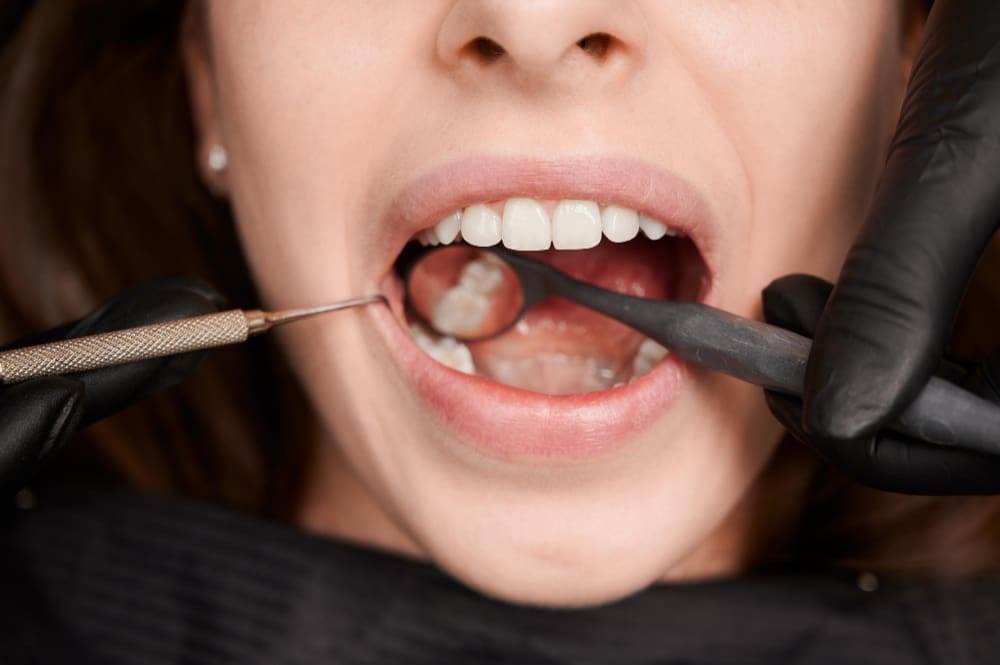
Abscesses
An abscess is a collection of bacteria and dead blood cells, often forming pus. It can be very dangerous if not treated promptly. The swelling can advance rapidly and spread into other parts of the head and neck. Wherever possible, an extraction or drainage through the tooth root and disinfection of the root canal is the primary treatment of choice to control the source of the infection.
Antibiotics are supplementary to help control the infection that has spread into the bone and surrounding tissues, but they cannot penetrate to the source within the root canal and should not be relied upon for primary treatment.
Still in Pain? Let's Find the Cause.
Don’t Let a Toothache Control Your Day.
You don’t have to keep guessing what’s causing your tooth pain.
Referred Pain
The pain may often feel as if it is coming from a part of the head or neck but that may not be the true source. For example, pain from bottom teeth will often feel like an ear ache. Naturally you might receive an examination by a medical doctor but they will find no sign of ear infection.
Tooth pain may be “referred” from the bottom jaw to the top jaw, from the back teeth to the front teeth, or vice versa. If you are experiencing this, you should consider making an appointment with one of our dentists to see if this is a problem with your teeth.


Get the Cause of Your Toothache Identified
A toothache can make it difficult to sleep, eat, work or concentrate. Whether you have a sharp pain when biting, a constant throbbing ache, sensitivity to hot and cold, or swelling around a tooth, getting the cause checked early can help prevent the problem from becoming more serious.
At Family Dental Care, our experienced dentists assess the source of your tooth pain and recommend treatment based on what is causing it.
Depending on the problem, your treatment may include a filling, treatment for a cracked tooth, gum treatment, root canal therapy, drainage of an infection, extraction, or another appropriate dental treatment.
Don’t keep putting up with tooth pain.
What Treatment Does Your Toothache Need?
There is no single “cure for toothache” because tooth pain is a symptom, not a diagnosis. The treatment you need depends on what is happening inside or around the tooth.
Tooth Decay
A cavity can expose or irritate the sensitive inner layers of a tooth and cause pain or sensitivity.
Possible treatment: A filling or, where the decay has reached the nerve, further treatment such as root canal therapy.
Cracked or Damaged Tooth
A cracked tooth or damaged filling can cause sharp pain, particularly when biting or releasing your bite.
Possible treatment: The dentist will assess the extent of the damage and may recommend a restoration, crown or other appropriate treatment.
Tooth Infection or Abscess
An infection can cause severe toothache, swelling, tenderness, a bad taste or other symptoms.
Possible treatment: Treatment may involve addressing the infected tooth through root canal treatment, drainage or extraction, depending on the condition of the tooth.
Exposed Tooth Root
When the root surface becomes exposed, the tooth can become particularly sensitive to cold, heat or touch.
Possible treatment: Treatment depends on the underlying cause and may include addressing gum recession, sensitivity or another dental problem.
Gum Infection
Pain may sometimes come from the gums or tissues supporting a tooth rather than the tooth itself.
Possible treatment: Your dentist can identify the cause and recommend appropriate gum or periodontal treatment.
Wisdom Tooth Problems
Pain at the back of the mouth can sometimes be associated with wisdom teeth, particularly when they are impacted, infected or difficult to clean.
Possible treatment: Assessment and, where appropriate, wisdom tooth treatment or removal.
A dental examination can help identify the source of the pain and determine the most appropriate treatment.
Toothache Symptoms We Can Help With
Tooth pain can present in different ways. Tell us what you’re experiencing and we can assess the possible dental cause.
Constant Toothache
A continuous ache or throbbing pain may indicate irritation or inflammation inside or around a tooth.
Sharp Pain When Biting
Pain when biting or releasing your bite can sometimes be associated with a cracked tooth, damaged restoration or inflammation around the tooth.
Hot or Cold Sensitivity
Sensitivity to hot or cold foods and drinks can have several causes, including decay, exposed dentine, gum recession or irritation of the tooth nerve.
Severe or Throbbing Pain
Strong, persistent or worsening pain should not be ignored, particularly when it is affecting sleep or normal activities.
Toothache With Swelling
Swelling around the gum, jaw or face can be a sign of infection and should be assessed promptly.
Toothache That Feels Like Ear or Jaw Pain
Dental pain can sometimes be referred to another area of the head, jaw or ear. The location where you feel the pain is not always the actual source.
Whatever your symptoms, the sooner the cause is identified, the sooner you can discuss the appropriate treatment.
Root Canal Therapy for Toothache
When inflammation or infection has reached the pulp — the living tissue inside a tooth – root canal therapy may be recommended.
Root canal treatment is designed to remove the infected or inflamed tissue, clean and disinfect the inside of the tooth, and seal it to help prevent further infection.
It may be considered when a tooth is:
- Severely decayed
- Infected
- Damaged by trauma
- Cracked or otherwise compromised
- Causing persistent pain associated with the tooth’s inner tissues
Root Canal Therapy in Campbelltown
If your toothache is coming from an infected or inflamed nerve, simply waiting for the pain to disappear may not solve the underlying problem.
Our dentist will examine the tooth and determine whether root canal therapy is appropriate or whether another treatment would be more suitable.
Seek Emergency Medical Care
If dental swelling is making it difficult to breathe or swallow, or if you have significant swelling affecting your face or neck, seek emergency medical care immediately.
Don’t wait for a dental infection to become more serious.
f you’re experiencing significant tooth pain or swelling, contact Family Dental Care and let us know what you’re experiencing.
Emergency Toothache - When Should You See a Dentist Immediately?
Don’t Ignore Severe Tooth Pain
Some toothaches can be managed with a routine appointment, but certain symptoms require prompt dental attention.
Contact a dentist as soon as possible if you have:
- Severe or rapidly worsening tooth pain
- Facial or significant gum swelling
- A painful tooth with a bad taste or discharge
- Fever associated with dental pain
- A broken or damaged tooth causing significant pain
- Pain that is preventing you from sleeping or eating
- Symptoms of a dental infection
What Happens During Your Toothache Appointment?
When you’re in pain, you want answers — not another reason to wait.
At your appointment, our dental team will assess your symptoms and examine the affected area to determine what may be causing the toothache.
Tell Us What You're Feeling
Let us know:
- Where the pain is located
- When it started
- Whether it is constant or comes and goes
- Whether hot or cold makes it worse
- Whether biting causes pain
- Whether you have swelling, fever or a bad taste

Experienced Dental Team
Our dentists assess the underlying cause of tooth pain rather than simply treating the symptom.
Gentle Care
We understand that dental pain can make patients particularly sensitive and anxious. Our approach is designed to keep you as comfortable as possible throughout your visit.
Treatment Based on Your Diagnosis
Different causes require different treatments. We explain your options after assessing your individual dental problem.
Toothache Treatment FAQs
How do I get rid of a toothache?
The best treatment depends on what’s causing the toothache. Temporary measures may reduce discomfort, but they do not necessarily treat the underlying dental problem. A dental examination is the best way to identify the cause and determine appropriate treatment.
What is the best treatment for toothache?
There is no single best treatment for every toothache. A filling may be appropriate for some cavities, while an infected tooth may require root canal therapy or extraction. Your dentist will recommend treatment based on the condition of your tooth.
How long can I leave a toothache untreated?
It is better not to ignore persistent tooth pain. If the pain is severe, worsening, lasts more than 24 hours, or is accompanied by swelling, fever or a bad taste, arrange a dental assessment promptly.
Can a toothache go away on its own?
Tooth pain can sometimes temporarily improve, but this does not necessarily mean the underlying problem has gone away. If the toothache persists or returns, a dental assessment can help identify the cause.
Can a dentist treat an infected tooth?
Yes. Depending on the condition of the tooth and the extent of the infection, treatment may include root canal therapy, drainage or extraction. Antibiotics may sometimes be used as an adjunct when there is spreading infection, but they do not replace treatment of the dental source where dental treatment is required.
Is root canal therapy painful?
Modern dental treatment is performed with local anaesthesia to keep you comfortable during the procedure. Your dentist can explain what to expect and discuss your concerns before treatment.
Can I get toothache treatment in Campbelltown?
Yes. Family Dental Care provides dental care in Campbelltown and can assess tooth pain to determine the appropriate treatment.
What should I do before seeing a dentist for toothache?
You can gently rinse with warm salt water, carefully clean around the affected area, avoid foods or drinks that trigger the pain and use suitable over-the-counter pain relief according to the product directions if appropriate for you.
Do not place aspirin directly on the tooth or gum.
When is a toothache an emergency?
Severe or worsening pain, facial or significant swelling, fever, discharge or difficulty eating can require prompt dental attention. If swelling causes difficulty breathing or swallowing, seek emergency medical care immediately.
Have a toothache?
If you’re experiencing tooth pain contact us today. We look forward to helping you as quickly as possible.