
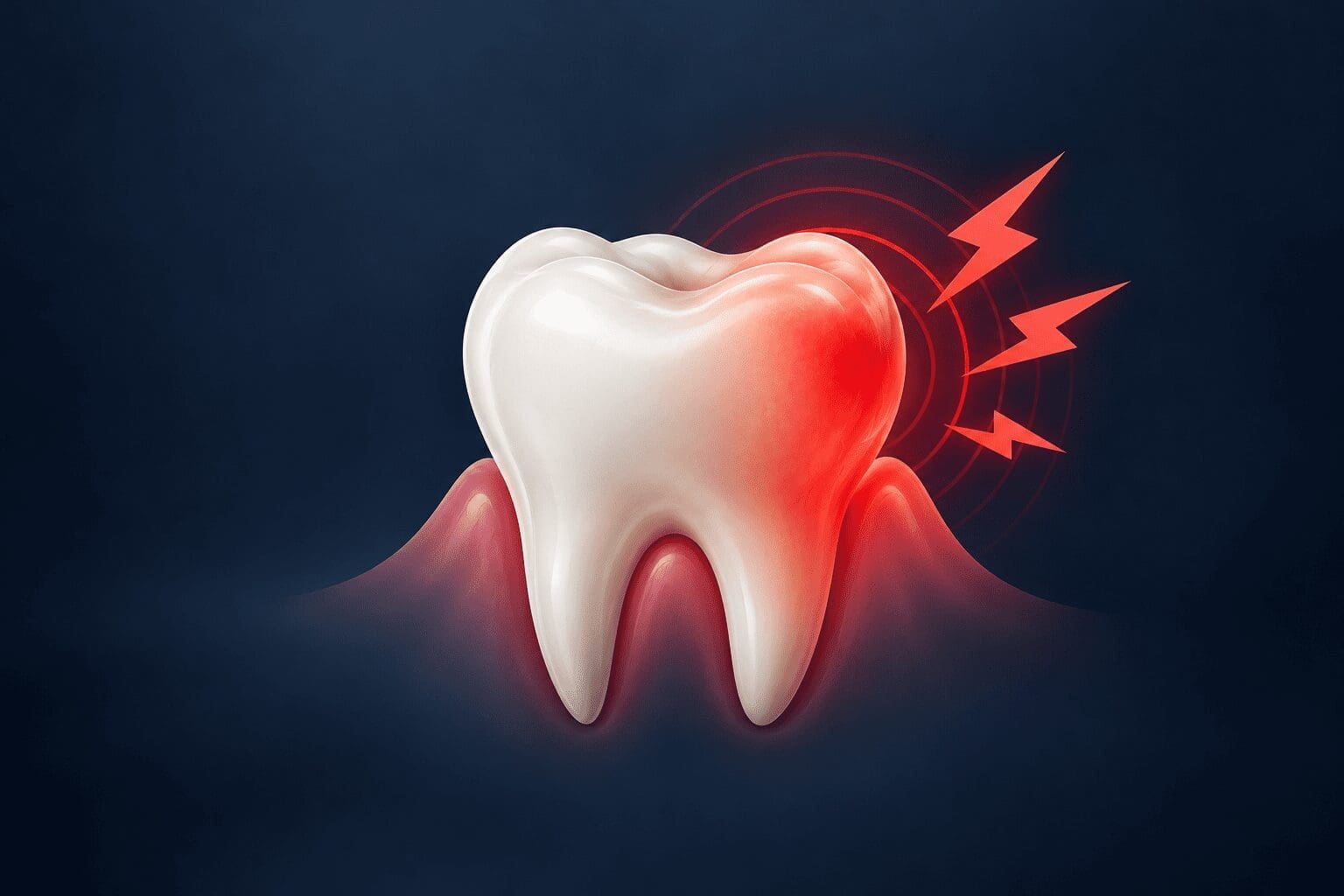
A toothache can begin as a mild discomfort while eating and gradually develop into pain that affects your sleep, concentration, and daily routine. Understanding when a serious toothache needs professional attention can help you avoid complications and protect your oral health. Although some tooth pain results from temporary sensitivity, persistent or worsening discomfort may indicate tooth decay, inflammation, a cracked tooth, or an underlying infection that requires dental treatment.
Knowing the warning signs is important because the intensity of pain does not always reflect the severity of the problem. A small cavity may cause considerable discomfort, while an infection affecting the inner part of a tooth may initially produce few symptoms. Paying attention to changes in your pain, swelling, and overall health can help you decide when to seek dental care.
What Are the Signs of a Serious Toothache?
Tooth pain can feel different from one person to another. It may be sharp, dull, throbbing, or triggered by particular foods and drinks. However, certain symptoms suggest that the problem should not be ignored.
1. Persistent or worsening pain
Toothache that lasts more than a day or two, keeps returning, or gradually becomes more painful deserves a dental assessment. Pain that interferes with sleeping, eating, or concentrating is another reason to seek prompt care.
Even if the discomfort temporarily disappears, the underlying cause may remain. For example, damage to the tooth’s inner pulp can affect the nerves and blood vessels inside it. A dentist can examine the tooth and determine whether treatment is needed.
2. Swelling around the tooth or face
Swollen gums, tenderness around a tooth, or swelling in the cheek or jaw can indicate inflammation or infection. A dental abscess, which is a collection of pus caused by infection, may also produce a bad taste in the mouth, fever, or difficulty chewing.
These symptoms require urgent dental assessment. If swelling spreads towards the eye or neck, or causes difficulty breathing or swallowing, seek emergency medical care immediately.
3. Sensitivity that lingers after eating or drinking
Brief sensitivity to cold drinks or sweet foods can occur for several reasons, including exposed dentine or early tooth decay. However, pain that continues after the trigger has been removed may indicate deeper irritation or inflammation of the tooth’s pulp.
Sensitivity to hot or cold temperatures should be assessed if it becomes persistent, worsens, or occurs alongside spontaneous pain.
4. Pain when biting or chewing
Discomfort when biting down can be associated with a cracked tooth, a damaged filling, tooth decay, or inflammation around the tooth’s root. Sometimes, the pain is felt only when pressure is released after biting.
Avoid chewing on the affected side until you can see your dentist. Continuing to put pressure on a damaged tooth may aggravate the problem.
What Causes a Toothache to Become Serious?
Understanding the possible causes helps explain why dental pain should not be treated as a minor inconvenience.
Tooth decay: When bacteria and acids damage the tooth’s protective enamel, a cavity can develop. If decay progresses into deeper layers, it may irritate the pulp and cause significant pain.
Dental infection: Bacteria can enter the inner tissues of a tooth through advanced decay, cracks, or damage. An infection may spread to the surrounding gums and bone if it is not treated.
Cracked or broken teeth: A crack can expose sensitive internal structures or allow bacteria to enter the tooth. Some cracks are difficult to see without a professional examination.
Gum disease: Inflamed gums, gum recession, and advanced periodontal disease can contribute to tenderness, sensitivity, and discomfort around teeth.
Wisdom tooth problems: A wisdom tooth that does not have enough room to emerge properly can trap food and bacteria, leading to inflammation or infection around the gum.
Identifying the actual cause is essential because each condition may require a different approach. Pain relief alone cannot repair a cavity, treat a fracture, or remove an infection.
When Should You See a Dentist for Toothache?
It is advisable to arrange a dental appointment if tooth pain persists for more than 48 hours, returns repeatedly, or does not improve with appropriate pain relief. You should also seek prompt attention if you notice swollen gums, pain while biting, a damaged tooth, fever, or an unpleasant taste that could indicate infection.
Do not wait for the pain to become unbearable before arranging an appointment. Early assessment may allow a dentist to address the problem before it progresses and potentially reduces the complexity of treatment.
Certain symptoms require immediate attention. Seek emergency medical care if you experience difficulty breathing or swallowing, rapidly spreading facial or neck swelling, or swelling around the eye accompanied by eye pain or vision changes. These symptoms may indicate a spreading infection or another serious condition.
What Can You Do to Manage Toothache Before Your Appointment?
While waiting for your dental visit, a few simple measures may help reduce discomfort. However, these steps are intended for temporary relief rather than treating the underlying cause.
Rinse your mouth gently with warm salt water and spit it out. Brush carefully using a soft-bristled toothbrush, and use dental floss gently to remove food trapped between teeth if you can do so without causing further pain.
Choose soft foods and avoid chewing on the affected side. Very hot, cold, or sugary foods may trigger additional discomfort. If your cheek is swollen, applying a cold compress to the outside of the face may help reduce swelling.
For medication, a pharmacist can advise you about suitable pain-relief options based on your age, medical history, and other medicines you take. Never exceed the recommended dose, and avoid placing aspirin directly against the tooth or gums because it can damage the tissues.
People with certain medical conditions, allergies, pregnancy, or specific medication requirements may need to avoid particular painkillers. Seek professional advice if you are unsure what is safe for you.
Which Over-the-Counter Medicine Can Help With Toothache?
Many people search for the strongest toothache medicine over the counter when pain starts affecting their daily lives. However, the most appropriate medicine depends on the person’s health, the type of pain, and any contraindications.
Common non-prescription options include paracetamol and ibuprofen. Anti-inflammatory medicines such as ibuprofen can help with dental pain for some people, while paracetamol may be an alternative when anti-inflammatory medicines are unsuitable. A pharmacist can help you select an appropriate option and explain how to use it safely.
Do not combine medicines without checking that they are suitable together, and be careful not to take multiple products containing the same active ingredient. Painkillers can temporarily reduce symptoms, but they cannot remove infected tissue, repair a cracked tooth, or eliminate the source of a dental abscess.
Avoid taking leftover antibiotics or using someone else’s prescription. Antibiotics are not necessary for every toothache, and definitive dental treatment is often needed to address the cause.
What Is the Best Treatment for a Toothache?
The best treatment for toothache depends on what the dentist finds during the examination. Your dentist may inspect the affected tooth, assess your gums, test sensitivity, and recommend dental X-rays when necessary.
For a cavity, treatment may involve removing decay and placing a filling. A damaged tooth may require a restoration or crown, depending on the extent of the damage. Gum-related problems may require professional cleaning and targeted periodontal care.
If the inner pulp becomes irreversibly inflamed or infected, root canal therapy in Campbelltown may be an option to help preserve the natural tooth. During this procedure, the dentist removes the affected pulp, cleans and seals the root canal system, and restores the tooth as needed.
In some cases, a tooth may be too damaged to save and extraction may be recommended. The appropriate decision depends on the tooth’s condition, the extent of infection, and your overall oral health.
A professional toothache treatment dentist can assess these factors and explain the available options, their benefits, and any necessary follow-up care.
How Can You Reduce the Risk of Future Toothaches?
Although not every dental problem can be prevented, consistent oral hygiene and regular dental visits can significantly reduce the risk of common causes of tooth pain.
Brush twice daily with fluoride toothpaste and clean between your teeth every day using floss or interdental brushes. Limit frequent sugary snacks and drinks, and avoid using your teeth to open packages or bite hard objects.
Routine dental examinations can help identify early decay, damaged fillings, gum inflammation, and other concerns before they develop into more painful problems. If you grind your teeth, discuss suitable protective options with your dentist.
It is also important to follow up on dental symptoms rather than relying on pain relief whenever discomfort returns. A recurring toothache is a signal that the underlying cause may need attention.
Conclusion: Do Not Ignore the Warning Signs
A toothache is not something you should automatically dismiss, particularly when it persists, worsens, or occurs alongside swelling, fever, or pain when biting. Recognising the signs of a serious toothache and seeking timely professional advice can help protect your teeth, reduce the risk of complications, and support better long-term oral health. If you are experiencing ongoing dental pain, arrange an assessment with your dentist rather than waiting for the symptoms to become more severe. Early attention can make a meaningful difference to your comfort and treatment options.