
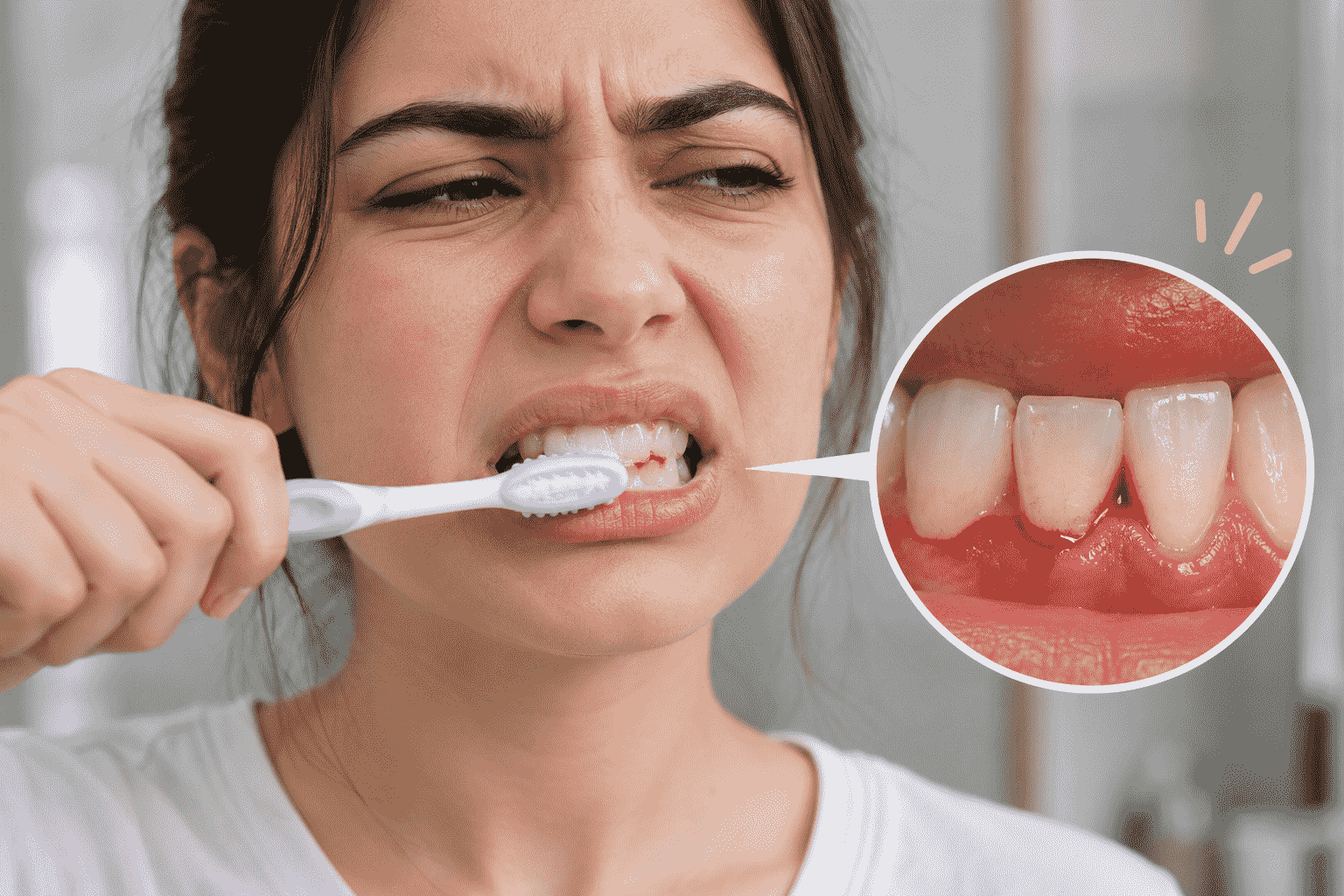
Noticing blood in your sink while brushing your teeth can be worrying, especially when it happens regularly. Although occasional bleeding may seem harmless, it can indicate an underlying oral health problem that needs attention. Bleeding gums when brushing is commonly associated with gum inflammation, plaque accumulation, improper brushing techniques, or early gum disease. Understanding why your gums bleed is the first step towards protecting your teeth and maintaining healthy gums. The good news is that most early gum problems can be managed with proper oral hygiene and timely dental care.
Is It Normal for Gums to Bleed When Brushing?
Healthy gums generally should not bleed during normal brushing or flossing. If you notice blood regularly, it is worth investigating rather than assuming that your toothbrush is too hard or that you are brushing too aggressively.
Your gums are made up of delicate tissues that surround and support your teeth. When these tissues become irritated or inflamed, they may bleed more easily, particularly when exposed to brushing or flossing.
Occasional bleeding can happen when you start flossing after a long break. However, persistent bleeding, redness, tenderness, or swelling may indicate gum inflammation or periodontal disease.
Paying attention to these early warning signs can help prevent minor gum problems from developing into more serious dental conditions.
Common Causes of Bleeding Gums When Brushing
Several factors can contribute to gum bleeding. Identifying the underlying cause is important because the right treatment depends on what is affecting your oral health.
1. Gingivitis (Early Gum Disease)
Gingivitis is one of the most common reasons for gum bleeding. It develops when plaque, a sticky layer of bacteria, accumulates around the gumline and irritates the surrounding tissues.
As plaque builds up, the gums may become red, swollen, sensitive, and more likely to bleed during brushing or flossing.
The encouraging part is that gingivitis is generally reversible with professional dental cleaning and consistent oral hygiene. However, leaving it untreated can allow the condition to progress into periodontitis.
2. Brushing Too Hard
Using excessive pressure while brushing can irritate your gums and cause minor tissue injuries. A hard-bristled toothbrush can make the problem worse, particularly if your brushing technique is too aggressive.
Many people believe that brushing harder removes more plaque, but this is not true. Excessive pressure can damage gum tissue and contribute to enamel wear over time.
A soft-bristled toothbrush and gentle circular movements are generally recommended for effective cleaning without unnecessary irritation.
3. Poor Oral Hygiene and Plaque Buildup
Inadequate brushing and irregular flossing allow bacteria and food particles to accumulate between teeth and along the gumline.
Over time, plaque can harden into tartar, which cannot be removed through regular brushing alone. Tartar creates an environment where bacteria can continue irritating the gums.
Professional dental cleaning helps remove this buildup and reduces the risk of further gum inflammation.
4. Periodontitis (Advanced Gum Disease)
When gingivitis is not treated, it can progress into periodontitis, a more serious form of gum disease.
Periodontitis affects the tissues and supporting bone surrounding your teeth. Common symptoms include persistent gum bleeding, bad breath, gum recession, loose teeth, and discomfort while chewing.
Unlike gingivitis, the damage caused by periodontitis is not completely reversible. However, appropriate periodontal treatment can help control the condition and prevent further damage.
5. Vitamin Deficiencies
Certain nutritional deficiencies can affect gum health. Vitamin C plays an important role in collagen production and tissue repair. Insufficient vitamin C can contribute to swollen gums and increased bleeding.
Vitamin K also supports normal blood clotting, and severe deficiency may contribute to unusual bleeding.
However, nutritional deficiencies are not the most common explanation for persistent gum bleeding. A balanced diet and medical assessment can help identify whether a deficiency is contributing to the problem.
6. Hormonal Changes
Hormonal fluctuations can make gum tissues more sensitive to bacterial plaque.
Pregnancy, puberty, and hormonal changes during menstruation can increase gum inflammation in some individuals. Pregnant women, for example, may experience pregnancy gingivitis, which can cause swollen and easily irritated gums.
Maintaining regular dental check-ups and good oral hygiene is particularly important during these periods.
Other Factors That Can Increase Gum Bleeding
Apart from common dental conditions, certain lifestyle habits and medical factors can affect gum health.
Smoking and tobacco use can increase the risk of periodontal disease and interfere with the body’s natural healing process. Some medications, including blood thinners, may also make bleeding more noticeable.
Additionally, conditions such as diabetes can increase susceptibility to gum infections and make existing gum problems more difficult to manage.
If you take prescribed medication and notice unusual bleeding, consult your healthcare provider rather than stopping the medication yourself.
How to Stop Gums from Bleeding When Brushing
The right approach depends on the underlying cause, but improving your daily oral hygiene is an important starting point.
- Use a soft-bristled toothbrush: Choose a toothbrush with soft bristles to minimise irritation. Brush gently using small circular movements instead of applying excessive pressure.
- Brush twice daily: Clean your teeth for approximately two minutes in the morning and before bedtime. Pay particular attention to the gumline, where plaque commonly accumulates.
- Floss regularly: Cleaning between your teeth removes plaque and food particles that a toothbrush cannot reach. If your gums bleed when you first begin flossing, continue gently and seek dental advice if the bleeding persists.
- Use an appropriate mouthwash: An antibacterial mouthwash may help reduce oral bacteria when recommended by your dentist. It should complement brushing and flossing rather than replace them.
- Maintain a balanced diet: Include foods rich in vitamin C, vitamin K, and other essential nutrients. Fresh fruits, vegetables, and balanced meals support overall oral and general health.
- Avoid tobacco products: Smoking and tobacco use can worsen gum health and increase the risk of periodontal problems.
These habits can support healthier gums, but they cannot remove hardened tartar or treat advanced gum disease on their own.
Professional Dental Treatments for Bleeding Gums
If gum bleeding continues despite good oral hygiene, a dental examination can help identify the cause and determine the appropriate treatment.
Depending on the condition, your dentist may recommend one or more of the following treatments.
Professional Dental Cleaning (Scaling and Polishing)
Professional cleaning removes plaque and hardened tartar from the teeth and along the gumline. It is commonly recommended for patients with gingivitis and plaque-related gum inflammation.
Regular dental cleaning helps maintain oral hygiene and reduces bacterial buildup.
Scaling and Root Planing
For patients with periodontitis, deeper cleaning may be necessary. Scaling and root planing removes plaque and tartar from below the gumline and smooths the tooth roots to help the gums heal and reattach where possible.
This procedure is performed by a dental professional and may require local anaesthesia.
Periodontal Treatment
Advanced gum disease may require specialised periodontal care. Depending on the severity, treatment can include deep cleaning, medication when indicated, or periodontal surgery.
The main objective is to control infection, protect the supporting structures of the teeth, and prevent further tissue damage.
Treatment of Underlying Medical Conditions
If gum bleeding is associated with a medical condition, medication, or nutritional deficiency, your dentist may recommend further medical evaluation.
Addressing the underlying issue is important for achieving long-term improvement rather than simply managing the visible bleeding.
When Should You Visit a Dentist?
Occasional minor irritation may improve with better brushing techniques and consistent oral hygiene. However, persistent or unexplained bleeding should not be ignored.
Consider scheduling a dental appointment if you experience:
- Gums that bleed regularly during brushing or flossing.
- Red, swollen, or tender gum tissues.
- Persistent bad breath or an unpleasant taste.
- Gums that appear to be pulling away from your teeth.
- Loose teeth or discomfort while chewing.
- Bleeding that continues despite improved oral hygiene.
Seek prompt medical or dental attention if you experience heavy or spontaneous bleeding, significant swelling, fever, or severe pain. Uncontrolled bleeding requires urgent assessment.
Early diagnosis makes it easier to manage gum problems and protect your natural teeth.
Frequently Asked Questions
1. Why do my gums bleed even when I brush gently?
Gentle brushing does not always prevent bleeding if your gums are already inflamed. Plaque buildup, gingivitis, hormonal changes, and certain medical conditions can make gum tissues sensitive. A dental examination can help identify the cause.
2. Should I stop brushing if my gums start bleeding?
No. Stopping brushing can allow more plaque to accumulate and worsen gum inflammation. Continue brushing gently with a soft-bristled toothbrush and maintain your regular oral hygiene routine. Consult a dentist if the bleeding continues.
3. Can bleeding gums heal naturally?
Mild gum inflammation may improve with consistent brushing, flossing, and plaque control. However, hardened tartar and advanced gum disease require professional dental treatment. Persistent bleeding should always be evaluated.
4. How long does it take for bleeding gums to stop?
If bleeding is caused by mild gingivitis, improvement may occur within several days to a couple of weeks after proper oral hygiene and professional cleaning when needed. Recovery time varies depending on the underlying condition.
5. Can mouthwash stop gum bleeding?
An antibacterial mouthwash may help control bacteria and reduce gum inflammation in certain cases. However, it cannot replace brushing, flossing, or professional dental treatment when required.
Final Thoughts
Healthy gums are essential for maintaining strong teeth and long-term oral health. Although occasional irritation can cause minor bleeding, recurring symptoms may indicate gingivitis, plaque accumulation, or a more serious periodontal condition. Understanding the causes of bleeding gums when brushing helps you take appropriate steps before the problem becomes more complicated. Maintain a consistent oral hygiene routine, use a soft-bristled toothbrush, eat a balanced diet, and schedule regular dental check-ups. Most importantly, do not ignore persistent bleeding. If you are experiencing gum discomfort or noticing blood while brushing, consult a qualified dentist for an examination and personalised treatment recommendations. Early care can make a significant difference in protecting your gums and preserving your natural smile.