
Choosing the right orthodontic treatment can make a significant difference to your smile, dental health, and confidence. If you have crooked teeth, gaps, crowding, or bite alignment problems, you may be considering clear aligners or traditional braces. Understanding the differences between clear aligners vs braces can help you make an informed decision based on your dental needs, lifestyle, budget, and treatment expectations.
Both options are designed to gradually move teeth into better positions, but they work differently and offer distinct advantages. While clear aligners are popular for their discreet appearance and removable design, traditional braces are a reliable option for correcting many types of complex orthodontic problems. This guide explains their costs, comfort levels, treatment duration, results, and other important factors to consider before starting treatment.
What Are Clear Aligners?
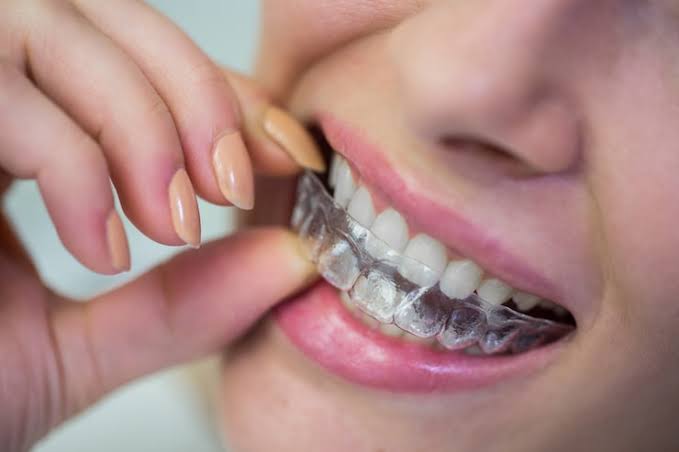
Clear aligners are transparent, removable trays custom-made to fit your teeth. They apply controlled pressure to move individual teeth gradually into their planned positions. Your orthodontist or dentist creates a treatment plan based on your current dental alignment and desired results.
Patients generally wear their aligners for around 20 to 22 hours per day, removing them only for eating, drinking anything other than water, and cleaning their teeth. Depending on the treatment plan, they switch to a new set of trays every one to two weeks.
One of the main advantages of clear aligners is their nearly invisible appearance. They can be particularly appealing to adults and teenagers who want to improve their smiles without noticeable orthodontic appliances.
However, aligners require consistency. Wearing them for fewer hours than recommended can delay progress and affect the final outcome. They may also be unsuitable for certain complex tooth movements, depending on the patient’s individual condition and the treatment system used.
What Are Traditional Braces?
Traditional braces use small brackets attached to the teeth and connected by a wire. The orthodontist adjusts the wire periodically to guide teeth into their correct positions. Depending on the case, additional components such as elastic bands may help correct bite problems.
Metal braces are one of the most established orthodontic treatments and can address a wide range of alignment issues, including severe crowding, significant rotations, and certain complicated bite problems. Ceramic braces are another option that uses tooth-coloured or less noticeable brackets.
Unlike removable aligners, traditional braces remain attached throughout treatment. This means patients do not need to remember to put them back after meals, making them a practical choice for people who might struggle to follow a removable-tray schedule.
Braces do require careful cleaning because food particles and plaque can collect around the brackets and wires. Patients also need to attend regular appointments for adjustments and progress checks.
Clear Aligners vs Braces: Understanding the Main Differences
When comparing these orthodontic treatments, consider appearance, comfort, daily maintenance, suitability, and overall cost rather than choosing based on appearance alone.
| Factor | Clear Aligners | Traditional Braces |
| Appearance | Transparent and relatively discreet | Visible brackets and wires, or less noticeable ceramic options |
| Removability | Can be removed for meals and cleaning | Fixed to the teeth throughout treatment |
| Eating | Most foods can be eaten after removing the trays | Certain hard, sticky, and chewy foods may need to be avoided |
| Oral hygiene | Easier access to teeth during brushing and flossing | Requires extra care around brackets and wires |
| Comfort | May cause temporary pressure when changing trays | May cause soreness after adjustments or irritation from brackets |
| Compliance | Requires consistent daily wear | Does not depend on remembering to wear an appliance |
| Complex cases | Suitable for many mild to moderate and selected complex cases | Can treat a broad range of orthodontic problems |
| Appointments | May involve periodic reviews and aligner changes | Regular adjustment appointments are generally required |
The most appropriate option depends on the movement your teeth require and how well each treatment fits your routine.
How Much Do Clear Aligners and Traditional Braces Cost?
The cost of orthodontic treatment varies depending on the severity of misalignment, treatment duration, the provider’s experience, the type of appliance, and the location of the dental clinic.
Clear aligners may cost more than basic metal braces in some clinics, particularly when treatment involves a premium system or multiple sets of trays. However, this is not always the case. Ceramic braces and more complicated orthodontic cases can also increase treatment costs.
The total price may include the initial consultation, dental scans or impressions, treatment planning, follow-up appointments, refinements, and retainers. Ask your provider which services are included before comparing quotations.
For example, a patient with minor spacing may need a shorter treatment plan than someone with significant crowding and bite problems. Their treatment costs and timelines may therefore differ considerably.
When discussing your budget, ask whether the clinic offers instalment plans, what happens if treatment takes longer than expected, and whether replacement appliances or additional appointments incur extra charges. The lowest initial price is not necessarily the best value if important elements of treatment are excluded.
Which Treatment Is More Comfortable?
Comfort is an important consideration, especially if you are worried about pain during orthodontic treatment.
Clear aligners usually create a feeling of pressure when you start wearing a new tray. This sensation is generally temporary and indicates that the appliance is applying force to move the teeth. The smooth plastic may be less irritating to the inside of the cheeks and lips than traditional brackets and wires.
Traditional braces can cause soreness after placement and following adjustment appointments. Brackets may also rub against the cheeks or lips, particularly during the first few weeks. Orthodontic wax can help reduce friction, while softer foods may be more comfortable during periods of tenderness.
Neither option guarantees a completely pain-free experience. Discomfort varies between individuals and depends on the complexity of the movements involved.
If you experience severe or persistent pain, a broken bracket, or an aligner that does not fit correctly, contact your dental provider rather than attempting to adjust the appliance yourself.
How Long Does Treatment Take?
Treatment duration depends on the type and severity of the orthodontic problem, the patient’s age and dental health, and how consistently the treatment plan is followed.
Some mild cases may be completed in several months, while more complicated cases can require 18 to 24 months or longer. These timeframes are general estimates, not guarantees.
Clear aligners may provide relatively quick results for selected minor alignment issues. However, missed wear time, lost trays, or the need for additional refinements can extend treatment.
Traditional braces offer continuous tooth movement because they remain attached to the teeth. Their treatment time also varies, and complex cases may require substantial planning and regular adjustments.
Your orthodontist can provide a more realistic estimate after examining your teeth, assessing your bite, and reviewing any necessary dental X-rays or scans. Following instructions and attending scheduled appointments can help keep treatment on track.
Which Option Delivers Better Results?
Both treatments can improve tooth alignment, spacing, and bite function when used for suitable cases and managed by a qualified dental professional.
Clear aligners can work well for mild to moderate crowding, spacing, and many other alignment concerns. Some more complex cases can also be treated with aligners using carefully planned techniques and additional attachments, although suitability varies.
Traditional braces are often preferred when extensive tooth movement, difficult rotations, or complex bite correction is required. Because they are fixed, they also reduce the risk of treatment delays caused by forgetting to wear an appliance.
The final outcome depends on accurate diagnosis, treatment planning, patient cooperation, and follow-up care. Neither treatment automatically produces better results for everyone.
It is also important to understand that teeth can shift after orthodontic treatment. Wearing retainers as directed helps maintain the result and reduces the risk of relapse.
Which Treatment Is Better for Your Lifestyle?
Your daily routine can help determine which option is practical.
Clear aligners may suit professionals, students, and adults who prefer a discreet appliance and can maintain consistent wear. They also make brushing and flossing easier because the trays are removable. However, you must clean the trays properly and avoid leaving them out for extended periods.
Traditional braces may suit patients who prefer a fixed treatment that does not require daily decisions about wearing an appliance. They can also be appropriate for people whose orthodontic needs are better addressed with fixed appliances.
If you play contact sports, use musical instruments, travel frequently, or have specific dietary habits, discuss these factors with your orthodontist. They can explain how each option may affect your activities and what precautions you should take.
How to Maintain Your Teeth During Orthodontic Treatment
Good oral hygiene is essential regardless of the appliance you choose. Orthodontic treatment does not prevent cavities or gum disease, and poor cleaning can compromise dental health while your teeth are moving.
Brush twice daily with fluoride toothpaste and clean between your teeth every day. If you wear braces, use suitable interdental brushes to clean around brackets and wires. Your dental team can demonstrate effective techniques.
For removable aligners, clean the trays according to your provider’s instructions and rinse them when you remove them. Brush your teeth before putting them back whenever possible, particularly after meals. Avoid eating while wearing aligners and avoid hot drinks that could distort the plastic.
Regular dental check-ups and professional cleaning, when recommended, help identify problems early. If you develop gum swelling, persistent bleeding, tooth sensitivity, or signs of decay, seek dental advice promptly.
Frequently Asked Questions
Are clear aligners better than braces?
Neither option is universally better. Aligners offer a discreet, removable design, while braces can be more suitable for certain complex orthodontic problems. A dental assessment helps identify the appropriate treatment.
Can adults get orthodontic treatment?
Yes. Adults can receive orthodontic treatment if their teeth and gums are healthy enough. The recommended approach depends on their alignment, bite, dental history, and treatment goals.
Do teeth stay straight after treatment?
Teeth can shift after either treatment. Retainers help maintain alignment, so follow your orthodontist’s instructions about how often and how long to wear them.
Can I switch from braces to aligners?
In some cases, switching is possible, but it depends on your progress, remaining tooth movements, and clinical suitability. Your orthodontist should assess the risks, benefits, and potential additional costs before making a change.
Final Thoughts
Choosing between clear aligners and traditional braces involves more than comparing appearance or price. Both options can improve your smile, but the right treatment depends on your dental condition, bite alignment, lifestyle, budget, and willingness to follow your provider’s instructions. Understanding clear aligners vs braces allows you to discuss your priorities more confidently and make a decision based on clinical needs rather than trends alone.
If you are considering orthodontic treatment, arrange a consultation with a qualified dentist or orthodontist. They can assess your teeth, explain the available options, provide a personalised cost estimate, and outline a realistic treatment timeline. With the right treatment plan and consistent follow-up care, you can work towards a healthier, more comfortable, and better-aligned smile.