
If you’re missing one or more teeth, you’ve probably searched for dental implants cost and found prices that range widely. One clinic quotes a few thousand dollars, another quotes far more, and it’s hard to tell what you’re actually paying for.
This guide explains what affects the price of dental implants in Australia, what the typical ranges look like, and what a clear, honest quote should include, so you can compare options with confidence.
How Much Do Dental Implants Cost in Australia?
Dental implants cost varies depending on how many teeth you’re replacing and how complex your case is. As a general guide (these are indicative figures only, and your quote will depend on your own assessment):
- Single tooth implant (implant, abutment and crown): often around $4,000 to $6,500
- Multiple implants with a bridge: commonly $8,000 to $15,000, depending on the number of implants
- Full arch solutions: typically $15,000 to $25,000 or more per arch
Dental implants are a long-term investment. They’re designed to replace both the root and the visible tooth, which is why they cost more than dentures or a traditional bridge, but they can also last for many years with good care.
What Affects the Price of Dental Implants?
1. The number of teeth being replaced
Replacing one tooth is a very different treatment from replacing a whole arch. More implants mean more materials, more surgical time and more lab work.
2. Your oral health and bone volume
If your jawbone has thinned after tooth loss, you may need a bone graft or sinus lift before implant surgery. These extra procedures add cost, but they’re often essential for a stable, long-lasting result.
3. Implant brand and materials
Premium implant systems with strong clinical track records generally cost more than lesser-known brands. The crown material (porcelain, zirconia or other ceramics) also affects the price.
4. Imaging and planning
Accurate planning usually involves 3D scans such as a CBCT. Digital planning helps your dentist place implants precisely, and it should be reflected in your quote.
5. The dentist’s experience and the clinic’s technology
Experience, training and equipment all contribute to cost. A lower price can look attractive, but it’s worth asking who is performing the surgery and what happens if complications arise.
6. Sedation and anaesthesia
If you’re anxious or having extensive work done, you may want sedation. This is usually an additional line item.
7. Location of the clinic
Clinic overheads vary by region, which can influence pricing. If you’re searching for dental implants Campbelltown, it’s worth comparing quotes from local clinics and asking each what is included.
What Should Your Dental Implant Quote Include?
A good quote should be itemised, clear and free of surprises. Before you agree to treatment, check that it covers:
- Initial consultation and examination
- X-rays and 3D scans
- The implant fixture(s)
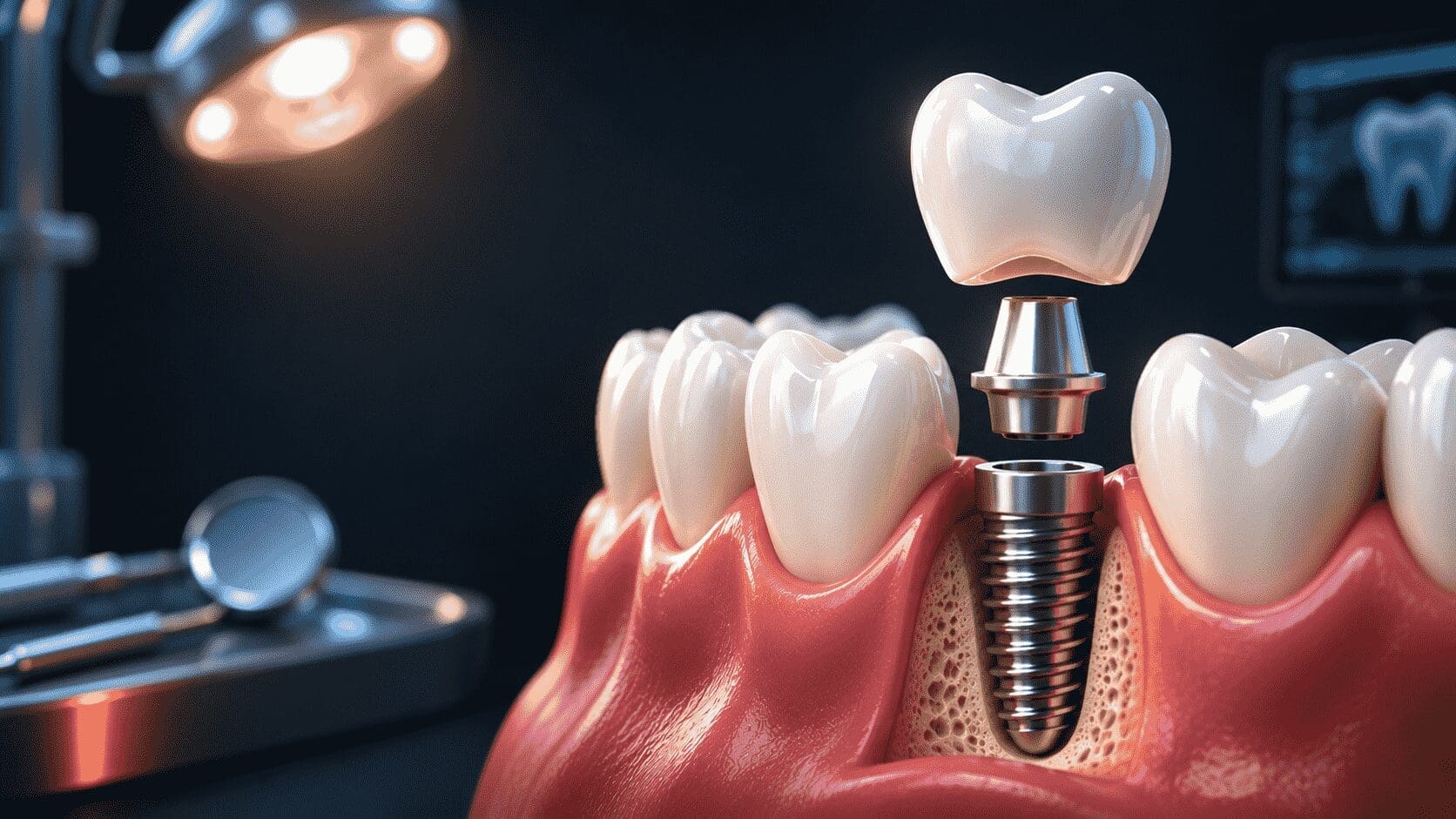
- Abutments (the connector between implant and crown)
- Crowns, bridge or denture, including the material used
- Any bone grafting, extractions or sinus lift
- Sedation or anaesthesia
- Temporary teeth, if needed during healing
- Follow-up appointments and review visits
- Warranty or guarantee details
If anything on this list is missing, ask whether it’s included, charged separately or not needed in your case. A low quote that leaves out crowns or imaging can end up costing more than a higher, all-inclusive one.
Replacing Several or All Teeth: What to Know
If you’re missing many teeth or have failing teeth throughout your mouth, there are options that don’t require one implant per tooth. All on 4 dental implants use four strategically placed implants to support a full arch of teeth, often making treatment more efficient than replacing teeth individually.
Many patients look into all on four dental implants Campbelltown when they want a fixed solution that feels more secure than dentures. For patients needing both arches, full mouth dental implants can restore comfort, appearance and chewing function, though this is the most significant investment, so a detailed quote and treatment plan matter even more.
Ways to Manage the Cost
- Ask about payment plans. Many clinics offer staged payments or third-party finance.
- Check your private health cover. Some extras policies provide a rebate for certain dental items, though implants are often limited. Confirm item codes and waiting periods before you start.
- Stage your treatment. Some work can be spread over time if it’s clinically appropriate.
- Don’t choose on price alone. Quality of planning, materials and aftercare strongly affect long-term success.
Questions to Ask Before You Commit
- Is this quote fully itemised?
- Which implant brand and crown material will be used?
- Will I need a bone graft or other preparatory treatment?
- Who will perform the surgery and the restoration?
- What happens if an implant fails or needs adjustment?
- What ongoing maintenance should I budget for?
Finding the Right Clinic
Searching for dental implants near me is a good start, but convenience is only one factor. Look for a team that explains your options clearly, shows you your scans, gives you a written itemised quote, and doesn’t pressure you into a decision.
Final Thoughts
Dental implants cost depends on your individual situation, the materials used and the complexity of your treatment. The best approach is to book a consultation, get a personalised assessment, and request a written, itemised quote so you understand exactly what you’re paying for.
A clear quote helps you compare fairly and plan with confidence, and a transparent clinic will welcome your questions.
Ready to find out what your treatment would involve? Book a consultation with Family Dental Care to get a personalised plan and a clear, itemised quote.