
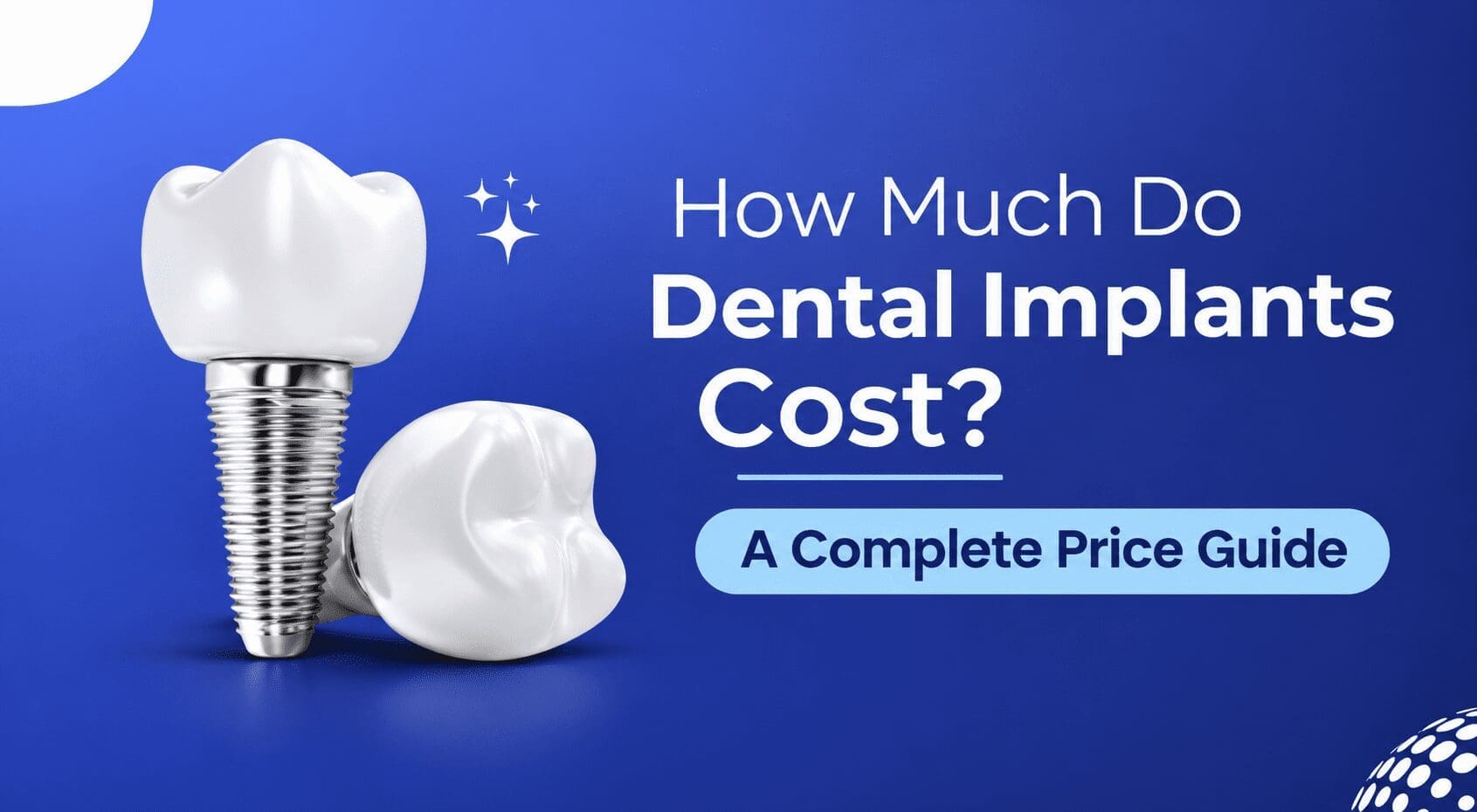
Losing a tooth can affect more than your smile. It may make chewing uncomfortable, change the way you speak, and leave you wondering which replacement option is right for you. Dental implants are a popular solution because they can replace missing teeth with a stable, natural-looking restoration. However, one of the first questions patients ask is about the dental implant cost and whether the treatment fits their budget. Understanding what goes into the total price can help you compare treatment options, prepare financially, and make an informed decision with your dentist.
What Are Dental Implants?
Dental implants are artificial tooth roots, usually made from titanium, that are placed into the jawbone to support replacement teeth. After placement, the implant gradually integrates with the surrounding bone through a process called osseointegration. Once healing is complete, a connector and a crown or another suitable restoration can be attached.
Unlike removable dentures, implants are designed to remain securely in place. They can replace a single missing tooth, support a bridge when several teeth are missing, or help stabilise certain types of dentures.
The treatment is not identical for every patient. Your dentist will assess your oral health, bone condition, medical history, and the number of teeth requiring replacement before recommending a suitable approach.
Dental Implant Cost: What Is the Average Price?
The price of dental implant treatment varies considerably depending on the country, clinic, complexity of the procedure, and type of restoration required. A single implant supporting one crown will generally cost less than a treatment involving multiple implants or a full-arch replacement.
It is important to understand whether a quoted price covers the complete treatment or only the implant placement. Some estimates include the implant, abutment, crown, consultations, and follow-up appointments, while others list these components separately.
For this reason, there is no single price that applies to every patient. A personalised treatment plan is the most reliable way to understand the likely total expense.
Patients should also be cautious when comparing advertised offers. A low starting price may exclude scans, additional procedures, temporary teeth, or the final crown. Requesting a written estimate helps you understand exactly what you are paying for.
What Factors Affect the Price of Dental Implants?
Several factors determine the overall expense of replacing missing teeth. Understanding them makes it easier to evaluate treatment plans and avoid unexpected charges.
1. Number of Teeth Being Replaced
Replacing one missing tooth typically requires a different treatment plan from replacing several teeth. A single implant and crown may be sufficient for one gap, whereas multiple missing teeth may be restored using individual implants or an implant-supported bridge.
For patients missing most or all of their teeth, full-arch treatment may involve several implants supporting a larger prosthesis. The number and placement of implants depend on the patient’s anatomy and clinical requirements.
2. Materials Used for the Restoration
The implant fixture, abutment, and visible replacement tooth are separate components. Titanium is widely used for implant fixtures because of its established clinical use and compatibility with bone. Zirconia implants may be suitable in selected cases.
The final crown may be made from porcelain, ceramic, zirconia, or other restorative materials. Each option has different aesthetic, strength, and maintenance considerations. Your dentist can recommend a material based on the position of the tooth, bite forces, appearance, and budget.
3. Bone Grafting or Other Preparatory Procedures
A healthy, adequate jawbone helps support an implant. If a tooth has been missing for a long time, bone loss may have occurred in the affected area. Periodontal disease, previous infections, and certain anatomical factors can also influence the available bone.
Some patients may need bone grafting before or during implant placement. Others may require treatment for gum disease, removal of a damaged tooth, or additional procedures to prepare the site. These services can increase the total price and may extend the treatment timeline.
Not everyone needs these additional procedures. Your dentist will determine whether they are necessary after examining the area and reviewing appropriate imaging.
4. Experience of the Dental Team and Clinic Facilities
Implant treatment requires careful planning, surgical skill, and restorative expertise. The qualifications and experience of the treating professionals, the clinic’s facilities, diagnostic equipment, and the complexity of the case can all influence fees.
A higher quotation does not automatically guarantee a better outcome, just as the lowest quotation does not necessarily represent the best value. Consider the clinician’s credentials, the proposed treatment plan, hygiene standards, follow-up arrangements, and the quality of communication when comparing providers.
5. Location and Follow-Up Care
Dental fees can differ between cities, regions, and countries because of differences in operating costs, laboratory charges, staffing, and equipment. Follow-up appointments and long-term maintenance should also be considered when calculating the overall expense.
If you are travelling for treatment, include accommodation, transport, additional visits, and arrangements for managing complications in your budget. Dental implants require ongoing professional monitoring, even after the initial treatment has been completed.
What Is Included in a Dental Implant Treatment Plan?
A comprehensive estimate should explain each stage of treatment rather than simply provide a single figure. Although the exact process varies, the following components may be included:
- Initial consultation and assessment: The dentist reviews your dental history, examines your mouth, and discusses your treatment goals.
- Diagnostic imaging and planning: X-rays or three-dimensional scans may be required to assess bone volume, the position of important anatomical structures, and implant placement.
- Implant placement: The implant fixture is surgically positioned in the jawbone. The procedure and recovery requirements depend on the case.
- Healing and integration: The bone needs time to integrate with the implant. The healing period varies according to the patient’s health, bone quality, and treatment approach.
- Abutment and final crown: Once appropriate healing has occurred, the components supporting the replacement tooth are fitted. Some cases use temporary restorations during treatment.
- Follow-up and maintenance: Review appointments help the dental team assess healing, the bite, gum health, and the condition of the restoration.
Ask your dentist to identify which of these items are included in the quotation and whether any future visits or maintenance charges are separate.
Are Dental Implants Worth the Investment?
Dental implants can offer several benefits when they are clinically appropriate. They provide a fixed replacement for missing teeth, help restore chewing function, and can be designed to look similar to natural teeth. Because an implant replaces the tooth root, it can also help preserve bone in the treated area compared with leaving the space without a tooth.
However, implants are not the best choice for everyone. The procedure involves surgery, requires adequate healing, and may be unsuitable or need additional planning in some circumstances. Smoking, uncontrolled medical conditions, poor oral hygiene, and active gum disease can affect treatment outcomes.
Other options, including conventional bridges and removable dentures, may be more appropriate depending on your oral health, preferences, and financial circumstances. A dentist can explain the benefits and limitations of each option for your particular situation.
Although implants are designed for long-term use, they are not guaranteed to last a lifetime. The implant, crown, and surrounding tissues require regular care, and the crown may eventually need repair or replacement.
How Can You Manage the Expense of Dental Implant Treatment?
If the initial quotation seems high, ask your dentist whether the treatment can be planned in stages. For example, certain preparatory procedures may need to be completed before implant placement, while the final restoration is fitted after healing. The sequence must be determined by your clinician rather than chosen solely to reduce immediate costs.
You can also request a written breakdown of fees, check whether your insurance or dental benefit plan offers any coverage, and ask whether the clinic provides payment plans. Coverage varies widely, so confirm exclusions, annual limits, waiting periods, and eligibility directly with your provider.
Avoid choosing a clinic based on price alone. An appropriate assessment, clear communication, reliable follow-up, and a treatment plan tailored to your needs are important parts of making a sound decision.
Frequently Asked Questions
Does the procedure hurt?
The implant is generally placed using local anaesthesia, so pain during the procedure is usually controlled. Some soreness, swelling, or bruising may occur afterwards. Your dentist will explain how to manage discomfort and when to seek advice if symptoms worsen.
How long does the complete treatment take?
The timeline varies. Some patients can receive an implant and temporary restoration on the same day, while others need several months for healing or bone grafting before the final tooth is fitted. Immediate placement does not mean every patient is suitable for immediate loading.
Can anyone receive dental implants?
Many adults are suitable candidates, but an assessment is necessary. Bone quality, gum health, general health, smoking, and other factors influence eligibility. A dentist may recommend treating existing oral health problems before proceeding.
How can I keep my implants in good condition?
Brush twice daily with fluoride toothpaste, clean between your teeth and around the implant, attend recommended dental check-ups, and follow your dentist’s maintenance advice. Seek professional guidance if you notice bleeding gums, persistent discomfort, swelling, or looseness.
Conclusion
Choosing a replacement for a missing tooth is an important decision that should balance your oral health, comfort, appearance, and budget. The dental implant cost depends on the number of teeth being replaced, the materials selected, the condition of your jawbone, and the procedures needed to complete treatment. Comparing detailed quotations and discussing alternatives with a qualified dentist can help you understand your options without focusing on price alone. If you are considering implants, arrange a dental consultation to receive an individual assessment, a clear treatment plan, and an accurate estimate of the total fees involved.