
If you have a toothache, sensitivity to hot or cold foods, or have recently been told that you have a cavity, one of your first questions is likely about Dental Filling Cost. The price can vary depending on the size and location of the cavity, the type of filling material used, and the dentist’s fees. Understanding what you are paying for can make it easier to plan your treatment and avoid delaying necessary care. A regular teeth care routine, along with professional examinations, can also help identify problems before they require more extensive treatment.
For patients comparing treatment options, it is also useful to understand the difference between the dental check up price and the cost of restorative treatment. A check-up generally involves examining your teeth and gums, while a filling is used to repair damage caused by decay. If your dentist identifies a cavity with filling as the appropriate treatment, the final fee will depend on how much of the tooth needs to be restored. Patients looking for a dental check up and clean Campbelltown service may also want to ask whether examination, cleaning, X-rays, and other services are included in the quoted fee.
What Is a Dental Filling?
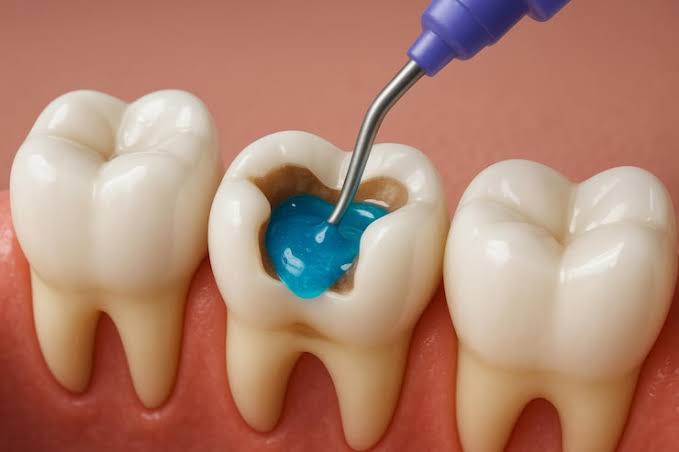
A dental filling is a restorative treatment used to repair a tooth affected by decay. When bacteria and acids damage the tooth, a cavity can develop. If the decay is small or moderate, a dentist can usually remove the damaged portion and fill the resulting space.
The purpose of a filling is not simply to cover a hole. It restores the tooth’s shape and function while helping prevent the decay from progressing further. Once the damaged area has been removed, the dentist cleans the tooth and places a suitable restorative material.
Treatment is generally completed during one appointment, although the time required depends on the number and size of the cavities being treated.
What Is the Average Dental Filling Cost?
There is no single price that applies to every patient. In Australia, a straightforward filling can commonly range from around $100 to $300 or more per tooth, while larger or more complex restorations may cost considerably more.
The actual fee charged by a dental practice can depend on several factors:
- The size and depth of the cavity
- The tooth being treated
- The filling material selected
- Whether X-rays are required
- The complexity of the procedure
- The dentist’s experience and practice fees
- Whether you need one filling or several
A small cavity that requires a simple restoration will generally cost less than a large cavity affecting multiple surfaces of a tooth.
It is worth asking for a clear estimate before treatment begins. A professional dental practice should be able to explain the recommended procedure and the expected costs so you can make an informed decision.
What Factors Affect the Price of a Filling?
The material used for the restoration is one of the most important factors. Tooth-coloured composite resin is widely used because it can be matched to the natural appearance of the tooth. Other materials may be recommended depending on the tooth’s position, the amount of damage, and your individual circumstances.
The extent of decay also matters. A small area of decay may require a relatively quick restoration, whereas a deeper cavity may need additional treatment. If decay has reached the tooth’s pulp, a standard filling may no longer be sufficient, and root canal treatment could be considered.
The location of the tooth can influence the complexity of the procedure as well. Back teeth experience substantial chewing pressure and may require a more durable restoration.
Your dentist may also recommend an X-ray if the extent of the decay cannot be determined through a visual examination alone. This additional diagnostic step can affect the overall cost of your appointment.
Dental Filling for Cavities: When Is It Necessary?
A dental filling for cavities is usually recommended when tooth decay has created permanent damage that cannot be repaired through brushing or fluoride alone. Early decay may sometimes be managed with preventive measures, but an established cavity generally requires restorative treatment.
Some people wait until they experience significant pain before visiting a dentist. Unfortunately, tooth decay does not always cause obvious symptoms in its early stages. A tooth can have substantial damage before a person develops severe discomfort.
Signs that may indicate you need an assessment include sensitivity, pain when biting, visible holes or dark areas on a tooth, food repeatedly becoming trapped between teeth, or persistent toothache.
Getting professional advice early can be beneficial because treating a smaller cavity is often simpler than treating advanced decay.
How Does the Filling Procedure Work?
Before placing a filling, the dentist examines the affected tooth and determines the extent of the decay. Local anaesthetic may be used to keep you comfortable during treatment.
The dentist then removes the decayed portion of the tooth and prepares the remaining structure. The selected filling material is placed into the prepared area and shaped to restore the tooth’s normal form. For materials such as composite resin, the dentist may use a special curing light to harden the restoration.
Finally, the dentist checks your bite to make sure the repaired tooth does not interfere with your normal chewing.
After treatment, mild sensitivity can sometimes occur for a short period. However, persistent or worsening pain should be discussed with your dentist because it may indicate that the tooth requires further assessment.
Does Dental Insurance Cover Fillings?
Many Australian private health insurance policies include some level of dental cover, but the amount you can claim depends on your policy and annual limits. Waiting periods, preferred providers, excesses, and coverage restrictions can also affect your out-of-pocket expense.
Before booking treatment, check your policy or contact your insurer to find out what portion of the treatment may be covered. Your dentist’s reception team may also be able to provide an item number or written quote that you can use when checking your benefits.
If you do not have private dental insurance, ask the practice about payment options and the expected fee before proceeding.
Why Regular Check-Ups Can Reduce Future Dental Expenses
Preventive dental care can help identify problems while they are still manageable. During a routine examination, your dentist can look for cavities, damaged restorations, gum problems, and other concerns that may not yet be causing noticeable symptoms.
This is where maintaining a consistent teeth care routine becomes important. Brushing twice daily with fluoride toothpaste, cleaning between the teeth, limiting frequent sugary foods and drinks, and attending professional examinations can all contribute to better oral health.
The dental check up price should therefore be considered as part of preventive care rather than simply another dental expense. Identifying a small cavity early may allow you to receive a straightforward restoration instead of requiring more complicated treatment later.
What Should You Ask Your Dentist Before Treatment?
If you have been given a treatment recommendation, do not hesitate to ask questions. Understanding your options can make the experience less stressful and help you manage your budget.
Ask your dentist what type of filling is recommended, why that material is suitable, how extensive the decay is, whether an X-ray is necessary, and whether there are alternative treatments. You can also request an itemised estimate showing the expected cost of the consultation, X-rays, filling, and any other services.
If you are considering dental check up and clean Campbelltown services, ask whether the appointment includes both preventive cleaning and a comprehensive dental examination, as these may be charged separately depending on the practice.
What Happens If You Delay a Filling?
A cavity generally does not repair itself once a permanent hole has developed in the tooth. Delaying treatment can allow decay to spread deeper into the tooth.
A small cavity with filling may initially require only a basic restoration. If decay progresses, however, the tooth may become painful or infected and require more extensive treatment. In severe cases, the tooth may need root canal therapy, a crown, or extraction.
This does not mean every cavity will become serious immediately, but there is little benefit in waiting for symptoms to become severe before seeking professional advice.
Final Thoughts on Dental Filling Cost
Understanding Dental Filling Cost can help you make a practical decision when you need restorative treatment. Prices vary according to the tooth, extent of decay, filling material, diagnostic requirements, and individual dental practice. The most reliable way to know your expected out-of-pocket expense is to have the tooth examined and request a written treatment estimate. If you have symptoms or have been advised that you need a dental filling for cavities, arranging an assessment sooner rather than later can help protect your tooth and potentially prevent more complicated treatment in the future.