
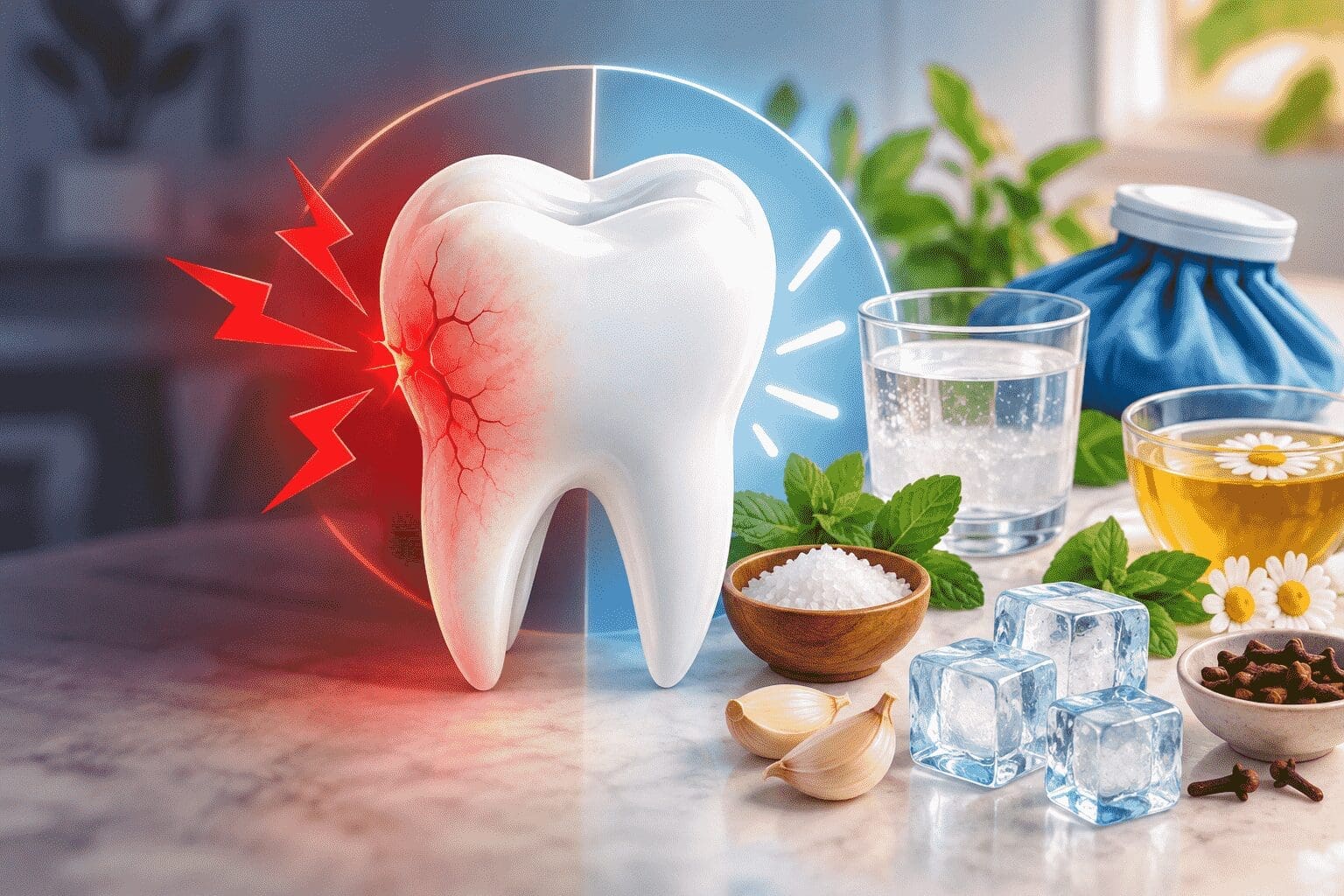
A toothache can make it difficult to eat, sleep, work, or even concentrate on simple daily tasks. If you are searching for ways to relieve tooth pain, it is important to understand that temporary relief can make you more comfortable, but it may not address the reason your tooth hurts. Tooth pain can result from tooth decay, gum problems, a cracked tooth, an infection, sensitivity, or an issue involving a dental filling. Knowing what you can safely do at home while arranging appropriate dental care can help prevent the problem from becoming worse.
Why Does a Tooth Hurt?
Tooth pain happens when the sensitive inner structures of a tooth or the tissues surrounding it become irritated or inflamed. A small cavity may initially cause sensitivity when you eat something hot, cold, sweet, or acidic. As decay progresses deeper into the tooth, the pain may become more noticeable or linger after eating.
Other causes include a damaged filling, cracked or broken teeth, gum inflammation, exposed tooth roots, grinding your teeth, or an abscess. Sometimes pain can also come from wisdom teeth that do not have enough room to grow properly.
The type of pain can provide useful clues. A brief sharp sensation when drinking something cold may be associated with sensitivity, while persistent throbbing pain, swelling, tenderness, or pain when biting can require prompt dental assessment.
7 Ways to Relieve Tooth Pain
Rinse Your Mouth With Warm Salt Water
A warm salt-water rinse is a simple measure that may help keep the mouth cleaner and temporarily soothe irritated tissues. Salt water can help loosen food particles around a painful tooth and may reduce irritation in the gums.
Mix about half a teaspoon of salt into a glass of warm water. Swish it gently around your mouth for approximately 30 seconds before spitting it out. You can repeat this several times during the day.
Do not use extremely hot water, especially when your tooth is already sensitive, as heat can sometimes make discomfort more noticeable.
Apply a Cold Compress
If your toothache is accompanied by facial or gum swelling, a cold compress may provide temporary comfort. Cold can help numb the area and reduce inflammation around the affected tissues.
Wrap an ice pack or a small amount of ice in a clean towel and hold it against the outside of your cheek for around 15 to 20 minutes at a time. Give your skin a break before applying it again.
Avoid placing ice directly against your tooth or gums. Direct exposure to extreme cold can increase sensitivity and cause discomfort.
Keep the Area Clean
When a tooth hurts, it can be tempting to avoid brushing around it. However, allowing plaque and food particles to build up may contribute to further irritation.
Continue brushing gently with a soft-bristled toothbrush and clean between your teeth carefully. If food is trapped near the painful tooth, gently flossing may remove it and sometimes reduce the pressure causing discomfort.
Avoid aggressive brushing around the affected area. If the pain is caused by a damaged tooth or exposed area, excessive pressure may make the symptoms worse.
Choose Softer Foods Temporarily
Eating hard, sticky, very hot, or very cold foods can aggravate an already painful tooth. For a short period, choose softer foods that require less chewing.
Foods such as yogurt, mashed vegetables, scrambled eggs, oatmeal, soups that have cooled to a comfortable temperature, and other soft meals can be easier to eat.
Try chewing on the opposite side of your mouth and avoid biting directly on the painful tooth. If chewing consistently causes sharp pain, mention this symptom to your dentist because it can provide useful information about the underlying problem.
Consider Appropriate Over-the-Counter Pain Relief
Over-the-counter pain medicines can provide temporary toothache relief when taken according to the product instructions. Common options include medicines such as ibuprofen or acetaminophen, depending on what is appropriate for you.
Always follow the recommended dosage and check the label for warnings. Certain medicines may not be suitable for people with particular medical conditions, allergies, pregnancy, or those taking specific medications.
Never place aspirin directly against a painful tooth or gum. Doing so can irritate or burn the soft tissues inside your mouth.
Pain medication should be viewed as a temporary measure rather than a treatment for the underlying dental condition.
Avoid Foods and Habits That Trigger Pain
If your tooth is sensitive, reducing exposure to common triggers can make the discomfort easier to manage. Extremely cold drinks, hot beverages, sugary foods, acidic foods, and hard snacks may cause additional irritation.
It is also sensible to avoid smoking and other habits that can interfere with oral health. If you regularly grind or clench your teeth, particularly while sleeping, tell your dentist. Repeated pressure can contribute to tooth damage and jaw discomfort.
Understanding what makes your pain worse can also help your dentist identify possible causes.
Arrange a Dental Examination
Home measures can help you feel more comfortable, but they cannot repair a cavity, replace a damaged filling, seal a crack, or treat an infection inside a tooth. If pain continues, keeps returning, or becomes increasingly intense, arrange an examination with a dentist.
Your dentist may examine the tooth, gums, bite, and surrounding tissues and may recommend an X-ray when necessary. Treatment depends on the cause. For example, a cavity may require a filling, while a damaged or infected tooth may need more extensive treatment.
Seeking care early can also prevent a relatively small dental problem from developing into a more complicated one.
What Is a Natural Way to Get Rid of Toothache?
Many people look for a natural way to get rid of toothache, particularly when they cannot immediately visit a dentist. Warm salt-water rinses and a cold compress are among the simpler approaches that can temporarily soothe the area.
However, natural remedies should not be considered a replacement for professional dental treatment. A toothache caused by decay or infection generally will not disappear permanently simply because the symptoms temporarily improve.
Be particularly cautious with strong substances, concentrated oils, alcohol, or household products applied directly to the tooth or gums. Some popular home remedies can damage sensitive oral tissues or make inflammation worse.
How to Relieve Toothache at Night
Dental pain can feel particularly difficult when you are trying to sleep. If you are wondering how to relieve toothache at night, start by gently cleaning your mouth and removing any food that may be trapped around the painful tooth.
A warm salt-water rinse may provide temporary soothing, while a cold compress against the cheek can help with discomfort and swelling. If you normally sleep completely flat, slightly elevating your head with an extra pillow may feel more comfortable because increased pressure around an inflamed area can sometimes make throbbing sensations more noticeable when lying down.
Avoid eating immediately before bed, especially foods or drinks that trigger sensitivity.
When Tooth Pain at Night Needs Urgent Attention
A severe toothache should not be ignored, particularly when it develops alongside swelling, fever, a bad taste in the mouth, pus, difficulty opening the mouth, or increasing tenderness.
Difficulty swallowing or breathing, significant facial or neck swelling, or rapidly worsening symptoms can indicate a potentially serious infection and require urgent medical attention.
If your symptoms are less severe but continue for more than a day or two, contacting a dentist is still important. Dental infections do not always produce dramatic symptoms in the beginning, and pain can sometimes temporarily disappear even though the underlying problem remains.
What to Do for a Toothache at Night
If you are asking what to do for a toothache at night, focus on keeping the area clean, avoiding triggers, and using safe temporary measures until you can obtain professional care. A cold compress, gentle oral hygiene, a warm salt-water rinse, and appropriate over-the-counter pain medication may help you get through the night.
It is also worth remembering that tooth pain at night is not necessarily a separate dental condition. Pain can simply feel more noticeable at bedtime because there are fewer distractions and you are lying still.
When Should You See a Dentist?
You should arrange a dental appointment if your toothache persists, repeatedly returns, interferes with eating or sleeping, or is accompanied by sensitivity, swelling, bleeding gums, or pain when biting.
A dentist can determine whether the problem is related to decay, infection, gum disease, a cracked tooth, sensitivity, or another condition. Treating the cause rather than repeatedly masking the pain is the most reliable way to protect your oral health.
If you are looking for how to stop toothache at night, remember that temporary measures can help you manage discomfort, but persistent pain deserves professional attention. Using these ways to relieve tooth pain may make you more comfortable while you arrange care, but a dental examination is essential when symptoms continue or become more serious.