
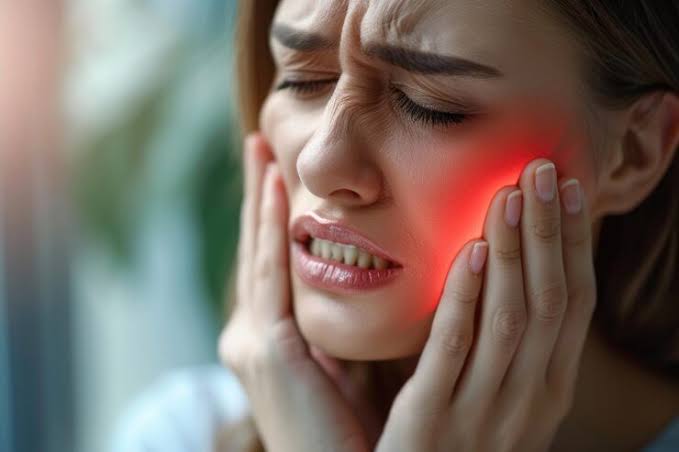
When a tooth starts hurting at night, it can feel much worse than it did during the day. You may be tired, unable to sleep, and unsure whether you should wait until morning or seek urgent dental care. Knowing what to do for a toothache at night can help you manage the discomfort safely until you can see a dentist. The important thing is to understand that home care may reduce pain temporarily, but it usually does not fix the dental problem causing it.
Why Does Tooth Pain Get Worse at Night?
Many people notice that their tooth pain at night seems stronger once they lie down. One reason is that lying flat can increase blood flow and pressure around the head and affected tooth. When a tooth is already inflamed, this additional pressure may make the throbbing sensation more noticeable.
Nighttime can also make pain feel more intense because there are fewer distractions. During the day, work, conversations, movement, and other activities can take your attention away from discomfort. At night, when everything becomes quiet, even moderate dental pain can seem difficult to ignore.
The underlying cause matters, too. Tooth pain may result from tooth decay, a cracked tooth, gum disease, an infection, a damaged filling, exposed tooth roots, or irritation inside the tooth. Some people may experience sensitivity after eating something very hot, cold, sweet, or acidic, while others develop persistent pain that requires professional treatment.
What to Do for a Toothache at Night
If you’re wondering what to do for a toothache at night, start with simple measures that are unlikely to irritate the tooth further. Gently rinse your mouth with warm water to clear away food particles and keep the area clean. You can also carefully floss around the painful tooth if you think food may be trapped between the teeth.
Keeping your head slightly elevated while resting may also help. Instead of lying completely flat, use an extra pillow or adjust your sleeping position. This may reduce the sensation of pressure that some people experience when lying down.
A cold compress placed against the outside of the cheek can provide temporary comfort, particularly if there is swelling. Wrap the cold pack in a cloth rather than placing ice directly against your skin, and use it for short periods at a time.
Avoid repeatedly touching, pressing, or picking at the painful tooth. You should also avoid placing aspirin or other tablets directly against the gum or tooth. This can irritate or burn the soft tissues in your mouth without treating the source of the pain.
How to Relieve Toothache at Night Safely
For temporary toothache relief, over-the-counter pain medication may be an option for some adults. Acetaminophen (paracetamol) or ibuprofen can help with dental pain when used according to the product instructions and when they are safe for you to take.
Ibuprofen is an anti-inflammatory medicine, while acetaminophen works differently to reduce pain. Some people should avoid certain medications because of allergies, stomach ulcers, kidney disease, liver disease, blood-thinning medicines, pregnancy, or other medical considerations. If you’re unsure which medicine is appropriate, ask a pharmacist or healthcare professional.
Do not exceed the recommended dose because taking more does not necessarily provide better relief and can cause serious harm. Children also require different dosing and should not be given medication intended for adults unless specifically advised by an appropriate healthcare professional.
The Best Way to Cure Toothache Fast Isn’t Always a Home Remedy
People often search for the best way to cure toothache fast, but there is an important distinction between reducing pain and treating its cause. A painkiller, cold compress, or warm-water rinse may make you more comfortable for a few hours, but it cannot repair a cavity, seal a damaged tooth, remove infected tissue, or treat advanced gum disease.
For example, a cavity that has reached the inner part of a tooth may require a filling or root canal treatment. A severely damaged or cracked tooth may need a different type of dental treatment. If an infection is present, delaying treatment can allow the problem to become more serious.
This is why temporary improvement should not be taken as proof that the dental problem has disappeared. If pain continues after you wake up, arrange a dental appointment rather than repeatedly managing the symptoms at home.
How to Stop Toothache at Night From Getting Worse
Knowing how to stop toothache at night also means knowing what to avoid. Try not to chew on the painful side of your mouth, particularly if the tooth feels cracked or sensitive. Avoid very hot, very cold, sugary, or acidic foods and drinks if they trigger your symptoms.
Keep brushing your teeth gently. Dental pain can make people afraid to brush around the affected area, but allowing plaque and food debris to remain around a painful tooth may make the situation worse. Use a soft-bristled toothbrush and avoid aggressive pressure.
If you suspect that something is stuck between your teeth, gently floss rather than using sharp objects to remove it. Toothpicks, pins, or other pointed items can injure the gums or damage dental work.
You may also find it easier to sleep in a slightly elevated position rather than completely flat. These measures are intended to make the night more manageable while you arrange appropriate dental care.
When a Severe Toothache Needs Urgent Attention
A severe toothache should not simply be ignored until it becomes unbearable. Contact a dentist promptly if your pain is intense, persistent, repeatedly waking you from sleep, or accompanied by swelling.
Urgent dental attention becomes particularly important when you notice facial or jaw swelling, fever, pus or a bad taste in the mouth, difficulty opening your mouth, or significant tenderness around the tooth. These symptoms can occur with dental infections that need professional assessment.
If swelling is spreading toward the eye or neck, or if you are having difficulty breathing, swallowing, or speaking, seek emergency medical care immediately. A serious dental infection can become dangerous when it spreads beyond the original area.
Do not rely on leftover antibiotics or someone else’s prescription. Antibiotics are not appropriate for every type of tooth pain, and when an infection requires treatment, a dentist needs to determine the underlying cause and appropriate management.
Ways to Relieve Tooth Pain While Waiting for Your Appointment
There are several practical ways to relieve tooth pain temporarily while waiting to see a dentist. Keep the area clean, avoid foods that trigger sensitivity, use a cold compress when appropriate, and follow the directions for any suitable over-the-counter pain medication.
A warm salt-water rinse may also help keep the mouth clean and soothe irritated tissues. To make one, dissolve a small amount of salt in warm water, rinse gently, and spit it out rather than swallowing it.
Your symptoms can also provide useful information for the dentist. Pay attention to whether the pain is constant or comes and goes, whether cold or hot foods trigger it, whether biting causes discomfort, and whether swelling is present. Sharing these details can help the dental professional identify possible causes.
Most importantly, don’t postpone an examination simply because the pain temporarily disappears. Dental problems can sometimes become quiet before returning with greater intensity.
How Long Can You Wait Before Seeing a Dentist?
The answer depends on the cause and severity of the pain. A mild sensitivity that occurs only occasionally may not represent the same level of urgency as constant, throbbing pain accompanied by swelling. However, unexplained or persistent tooth pain deserves professional attention.
If your tooth hurts enough to interfere with sleep, eating, or normal activities, arranging a dental examination is sensible even if you manage to control the discomfort temporarily. Early treatment can sometimes prevent a relatively small problem from becoming more complicated.
A dentist may examine the tooth, gums, surrounding tissues, and bite and may recommend dental X-rays when necessary. Treatment depends entirely on the underlying cause rather than simply how severe the pain feels.
Final Thoughts
If you are searching for what to do for a toothache at night, focus first on keeping the area clean, reducing irritation, managing discomfort safely, and watching for warning signs. Home measures can help you get through the night, but persistent dental pain is a reason to arrange an examination rather than continue treating symptoms indefinitely. If you’re experiencing tooth pain at night repeatedly, especially with swelling, fever, or severe discomfort, contact a dentist as soon as possible so the underlying problem can be properly diagnosed and treated.