
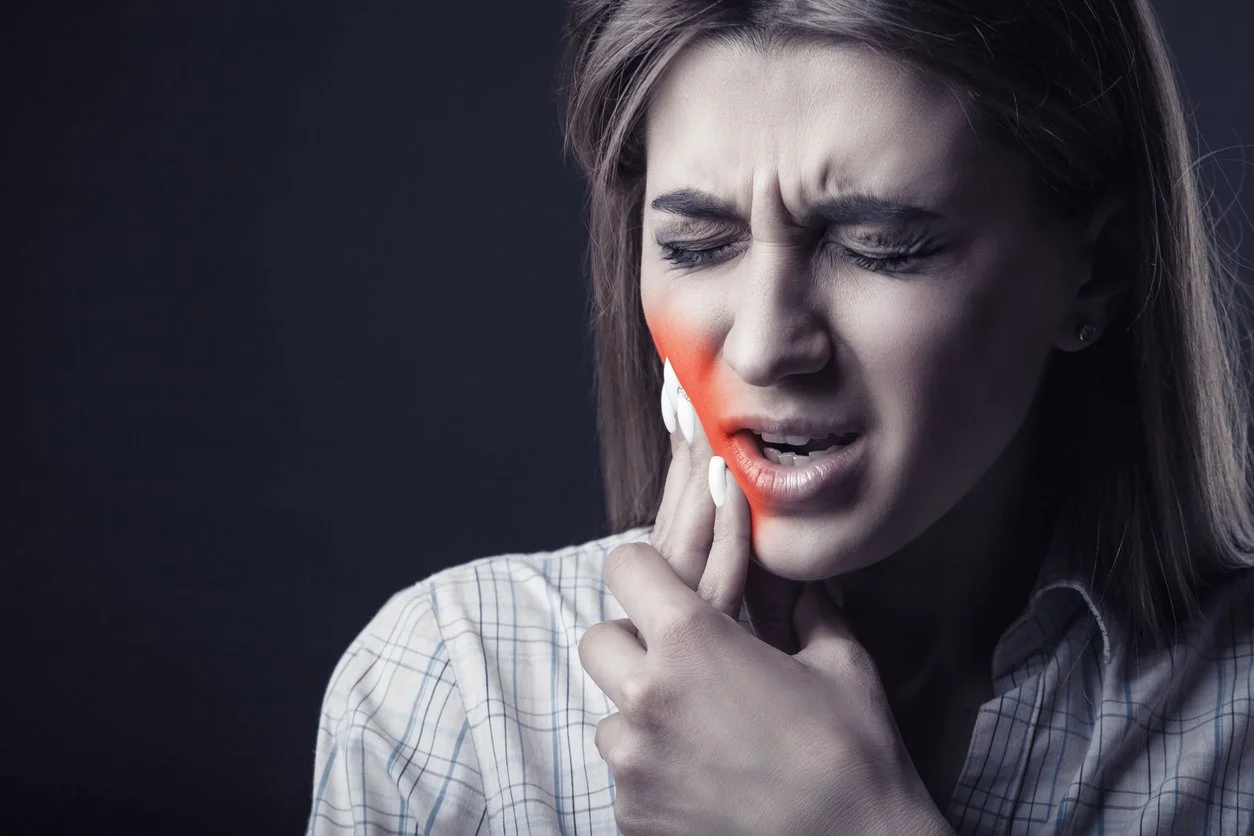
Nothing tests your patience quite like a tooth that starts throbbing the moment you lie down to sleep. The room is quiet, the lights are off, and suddenly every heartbeat feels like it’s pounding straight into your jaw. If you’re dealing with a severe toothache right now and your dentist’s office won’t open for hours, you’re probably searching for anything that can bring you some relief before morning.
The good news is that dental pain almost always has a reason behind it, and there are practical steps you can take at home to calm things down. Tooth pain at night tends to feel more intense because lying flat increases blood flow to the head, and there are fewer distractions to take your mind off the discomfort. Understanding why this happens is the first step toward managing it properly until you can get professional care.
Why Toothaches Get Worse After Dark
During the day, you’re upright, moving around, eating, talking, and generally distracted. At night, everything slows down. Blood pressure in the head and neck area increases slightly when you’re lying down, which can put more pressure on an already inflamed nerve. Add to that the fact that there are no other sensations competing for your attention, and a mild ache can suddenly feel unbearable. This is exactly why so many people search for how to relieve toothache at night rather than during working hours — the pain simply becomes harder to ignore once the house goes quiet, and it often points back to one of the common causes of tooth pain.
How to Relieve Toothache at Night Fast: Immediate Steps
If the pain has caught you off guard, start with the basics. Rinse your mouth gently with warm salt water. This helps reduce inflammation around the gums and can flush out any food particles that might be irritating the area. Keeping your head slightly elevated with an extra pillow can also reduce blood flow pressure to the tooth, making it easier to rest.
Over-the-counter pain relievers such as ibuprofen or acetaminophen are usually the fastest way to bring the pain down to a manageable level. Ibuprofen in particular helps because it targets inflammation, not just the sensation of pain. Applying a cold compress to the outside of your cheek near the affected tooth for about fifteen minutes can numb the area and reduce swelling at the same time. These small actions combined often make a noticeable difference within thirty minutes, which is often enough to get you through the night comfortably — for more options, see these 8 methods to get rid of unbearable toothache at night.
Natural Remedies for Toothache You Can Try at Home
Not everyone wants to reach for medication right away, and there are several natural remedies for toothache that people have relied on for generations. Clove oil is one of the most well-known options because it contains eugenol, a compound with natural numbing and antibacterial properties. Dabbing a small amount on a cotton ball and holding it gently against the tooth can provide temporary relief. Peppermint tea bags, cooled in the refrigerator and then pressed against the gum, offer a similar soothing sensation. Garlic, crushed into a paste, is another traditional remedy thanks to its antibacterial qualities, though the smell isn’t for everyone. These options won’t cure the underlying problem, but they can take the edge off while you wait to see a dentist — you can read more in our guide to understanding toothache information and potential remedies.
How to Stop Toothache at Night Before It Escalates
Prevention matters just as much as treatment once the pain has already started. If you know a tooth has been sensitive lately, avoiding very hot, cold, or sugary foods before bed can prevent a flare-up altogether — especially if your teeth already hurt when eating something cold. Brushing gently and flossing carefully around the sensitive area removes any trapped debris that could be triggering the discomfort. Learning how to stop toothache at night often comes down to catching the early warning signs during the day — sensitivity to temperature, slight swelling, or a dull ache, such as pain when biting down — and addressing them before you go to sleep rather than waiting for the pain to intensify.
When You Might Need the Best Antibiotics for Tooth Infection
Sometimes the pain isn’t just from sensitivity or a minor cavity — it’s a sign of infection. If you notice swelling in your face, a fever, a bad taste in your mouth, or pain that throbs constantly rather than coming and going, these are signs that bacteria may have reached the inner pulp of the tooth or the surrounding gum tissue. In these cases, home remedies alone won’t solve the problem. A dentist will need to examine the tooth and may prescribe the best antibiotics for tooth infection, such as amoxicillin or clindamycin, depending on your medical history and the severity of the infection — you can learn more about when you need antibiotics for a toothache here. Antibiotics should only be taken under a dentist’s guidance, since they treat the infection but don’t address the root cause, which usually requires further dental treatment like a root canal or extraction.
What to Do for a Toothache at Night When Nothing Seems to Help
If you’ve tried rinsing, medication, and cold compresses and the pain still won’t settle, don’t panic. Sit upright for a while instead of lying flat, since this can reduce the throbbing sensation. Avoid chewing on that side of your mouth entirely, and steer clear of anything acidic or overly sweet. Knowing what to do for a toothache at night when standard remedies fail often means recognizing that this level of pain needs professional attention as soon as the clinic opens — or immediately if you’re dealing with a dental emergency, rather than continuing to self-treat indefinitely.
Ways to Relieve Tooth Pain Until You See Your Dentist
In the hours between now and your appointment, focus on comfort and consistency rather than trying every remedy at once. Stick to a schedule with your pain medication, keep using warm salt water rinses every few hours, and avoid lying completely flat if it makes the throbbing worse. Some people also find relief by gently massaging the hand on the same side as the painful tooth, based on acupressure principles, though results vary from person to person. These ways to relieve tooth pain are meant to help you cope temporarily — they are not substitutes for an actual dental examination, especially if the pain has lasted more than a day or two, and if it’s after hours, our Sunday dentist in Campbelltown may be able to help sooner.
Final Thoughts
Dealing with dental pain in the middle of the night is exhausting, both physically and emotionally, but it doesn’t have to leave you feeling helpless. With the right combination of home care, natural remedies, and pain management, most people can get through until morning without too much distress. Still, ongoing toothache relief should never come only from home treatments — persistent or severe pain is your body’s way of telling you that something needs a dentist’s attention, and it’s worth understanding how to treat the most common dental problems so you know what you’re dealing with. Once the sun comes up, make that appointment a priority, because the sooner the underlying cause is treated, the sooner you’ll stop dreading bedtime altogether.