
A toothache is often the first thing that makes people suspect a cavity, but tooth decay does not always cause noticeable discomfort. You may have a small cavity and continue eating, drinking, and brushing your teeth without any problems. This is why regular dental visits and a professional teeth check up and clean are important, even when your smile feels perfectly healthy. Understanding how cavities develop, recognising early warning signs, and seeking timely care can help prevent minor dental problems from becoming more complicated.
Do Cavities Hurt at Every Stage?
No, cavities do not always hurt. The discomfort you experience depends largely on how far tooth decay has progressed and whether it has reached the sensitive inner structures of your tooth.
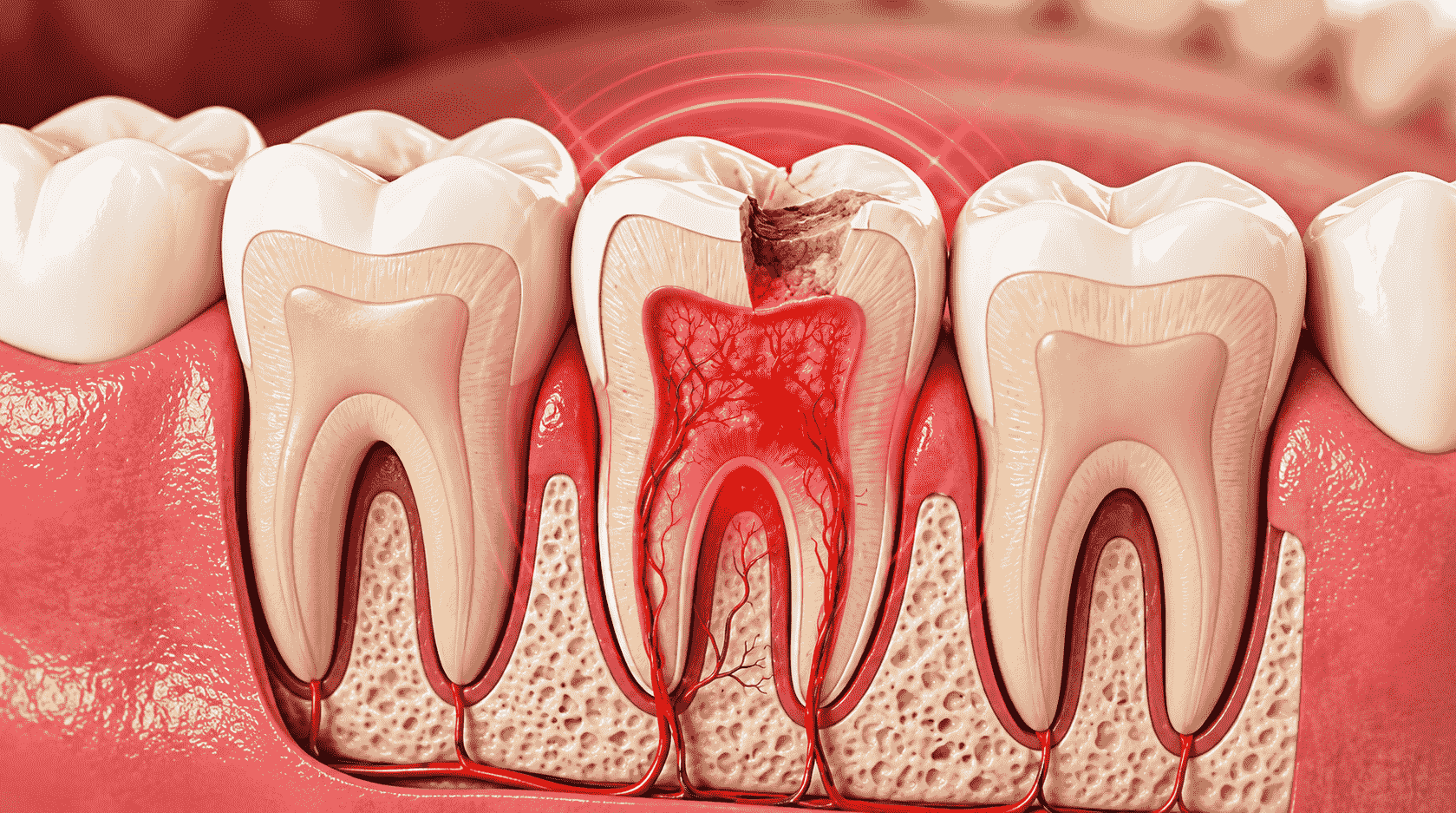
Your teeth have several layers. The outer layer, called enamel, is the hard protective covering. Beneath it is dentine, which is less dense and contains microscopic channels that can transmit sensations towards the tooth’s nerve. At the centre is the pulp, which contains nerves and blood vessels.
During the earliest stages, decay may affect only the enamel. Because enamel does not contain nerves, you might not feel any pain at all. As decay progresses into the dentine, you may begin noticing sensitivity to cold drinks, hot foods, sweets, or pressure while chewing.
When decay approaches or reaches the pulp, inflammation can cause more significant discomfort. The pain may become persistent, occur spontaneously, or worsen at night. In some cases, infection can develop around the tooth’s root.
The important point is that pain is not a reliable measure of how serious a cavity is. A tooth that feels normal can still require treatment, while severe pain may indicate that the decay or its complications have progressed considerably.
Why Can You Have a Cavity Without Knowing It?
Cavities develop gradually. Bacteria in dental plaque feed on sugars from food and drinks, producing acids that weaken tooth enamel. Over time, repeated acid attacks can lead to mineral loss and eventually create a hole in the tooth.
This process does not necessarily cause immediate symptoms. Early enamel changes may appear as white spots or subtle discolouration, and these signs can be difficult to recognise without a dental examination.
Some cavities develop in the grooves of back teeth, between neighbouring teeth, or near the gumline. These areas can be difficult to inspect at home, allowing decay to progress unnoticed.
You may also mistake early symptoms for ordinary sensitivity or assume that occasional discomfort will disappear on its own. However, symptoms can be inconsistent, particularly when decay has not yet reached the inner tooth.
A dentist can identify suspicious areas through a clinical examination and, when necessary, dental X-rays. These assessments help reveal decay that may not be visible during routine brushing or apparent from symptoms alone.
Common Signs of a Cavity to Watch For
Although some cavities remain painless, other signs may indicate that your teeth need professional attention.
Sensitivity to hot, cold, or sweet foods: You may notice a brief, sharp sensation when drinking something cold or eating sugary foods. Sensitivity can have several causes, so it does not automatically mean you have a cavity.
Visible holes or dark spots: A small pit, brown patch, or black spot on a tooth may indicate decay. However, not every dark spot is a cavity, and early decay may not produce an obvious hole.
Discomfort while chewing: Pain when biting down can occur when decay has weakened a tooth or when another dental problem is present, such as a crack or inflammation around the root.
Persistent or spontaneous toothache: Pain that develops without an obvious trigger, lasts longer than expected, or interferes with sleep may indicate deeper decay or inflammation of the pulp.
Food getting trapped repeatedly: If food frequently becomes lodged in the same area, there may be a cavity, a gap between teeth, or another issue that needs examination.
If you notice any of these symptoms, arrange a dental appointment rather than waiting for the discomfort to become severe.
What Happens If You Ignore a Painless Cavity?
A painless cavity can still progress. Once a hole has formed in the tooth, the damaged structure generally cannot restore itself completely without dental intervention.
As the cavity grows, more tooth structure may be lost. This can make the eventual restoration more extensive and may increase the likelihood of sensitivity, fractures, or infection.
If bacteria reach the pulp, the dentist may recommend more complex care, such as root canal treatment, to address the affected tissue and preserve the tooth where possible. If the tooth is severely damaged and cannot be restored, extraction may sometimes be necessary.
Infection can also lead to an abscess, which may cause swelling, tenderness, a bad taste in the mouth, or fever. Dental infections should not be ignored simply because the pain fluctuates or temporarily disappears.
Seeking care early can help preserve healthy tooth structure and may allow a simpler, less invasive solution.
How Is a Cavity Diagnosed?
A dental examination is the most reliable way to determine whether tooth decay is present and how extensively it has affected the tooth.
Your dentist will ask about symptoms, examine your teeth and gums, and look for visible changes, soft areas, or damage to the tooth surface. Dental X-rays may be recommended when decay between teeth or beneath an existing filling is suspected.
The dentist will also consider other possible causes of discomfort, including gum problems, cracked teeth, worn enamel, and sensitivity caused by exposed tooth roots.
Not every area of early enamel damage requires drilling or a filling. When decay has not yet formed a cavity, fluoride treatments, improved oral hygiene, and dietary changes may help support remineralisation. Once a hole has formed, restorative treatment is usually needed to repair the damaged area.
An accurate diagnosis helps ensure that the treatment addresses the actual problem rather than just the symptoms.
What Treatment Options Are Available for Cavities?
The appropriate treatment depends on the depth of decay, the amount of remaining healthy tooth structure, and whether the pulp has been affected. Tooth decay treatment may involve preventive measures, restorative procedures, or more advanced dental care.
For early decay without a formed cavity, a dentist may recommend fluoride and changes to your oral care routine. Reducing frequent sugary snacks and drinks can also help limit repeated acid attacks.
For a cavity that has damaged the tooth structure, the dentist usually removes the decayed tissue and restores the tooth with a suitable filling material. Larger cavities may require an inlay, onlay, or crown to provide adequate strength and protection.
If the pulp becomes irreversibly inflamed or infected, root canal treatment may be necessary. This procedure removes the affected pulp tissue, cleans the internal canals, and seals the tooth. A crown may be recommended afterwards, depending on the amount of remaining tooth structure.
In some cases, extraction is the most appropriate option when a tooth cannot be predictably restored.
Your dentist will explain the available choices, expected benefits, limitations, and aftercare requirements before proceeding.
How Much Does Cavity Treatment Cost?
The cost of treating a cavity varies according to the extent of decay, the tooth involved, the type of restoration required, and the clinic’s fees. A small filling generally costs less than treatment involving a crown or root canal.
The tooth decay treatment cost may also depend on whether diagnostic X-rays, additional procedures, or follow-up appointments are needed. Dental coverage, insurance benefits, and available payment arrangements can affect your out-of-pocket expenses.
It is sensible to ask for a treatment plan and an estimate before starting care. If you have several cavities, your dentist may help prioritise treatment according to urgency, symptoms, and clinical findings.
Delaying an appointment to avoid an immediate expense can sometimes lead to more extensive treatment later. Addressing decay promptly may help preserve the tooth and reduce the risk of complications.
Can Cavities Be Prevented Before They Start?
Although cavities are common, several everyday habits can reduce your risk of developing them.
Brush twice a day with fluoride toothpaste and clean between your teeth daily to remove plaque from areas a toothbrush may miss. Limit frequent consumption of sugary snacks and drinks, particularly between meals, and choose water regularly.
Routine dental examinations allow your dentist to identify early changes before they become more extensive. Depending on your individual risk, your dentist may also recommend fluoride applications or sealants for teeth, which are protective coatings placed on the chewing surfaces of susceptible back teeth.
Children, teenagers, and adults with a higher risk of decay may benefit from additional preventive measures tailored to their needs. Prevention is not a one-size-fits-all approach, so your dentist can help you establish a suitable plan.
When Should You See a Dentist?
Do not wait for severe pain before seeking dental advice. Book an appointment if you notice sensitivity that persists, visible changes in a tooth, discomfort when chewing, or a recurring toothache.
Seek urgent dental assessment if you develop significant swelling, worsening pain, pus, or fever. If swelling affects your breathing or swallowing, seek emergency medical care immediately.
Ultimately, do cavities hurt in every situation? No. Some cavities remain silent until the damage becomes more advanced, which makes regular examinations an important part of protecting your oral health.
The best approach is to act early, even when symptoms seem minor. If you are concerned about a possible cavity, speak with your dentist about the appropriate next steps, available treatment options, and expected tooth decay treatment cost. With timely professional care and consistent preventive habits, you can help protect your natural teeth, reduce the risk of complications, and maintain a healthy smile for years to come.